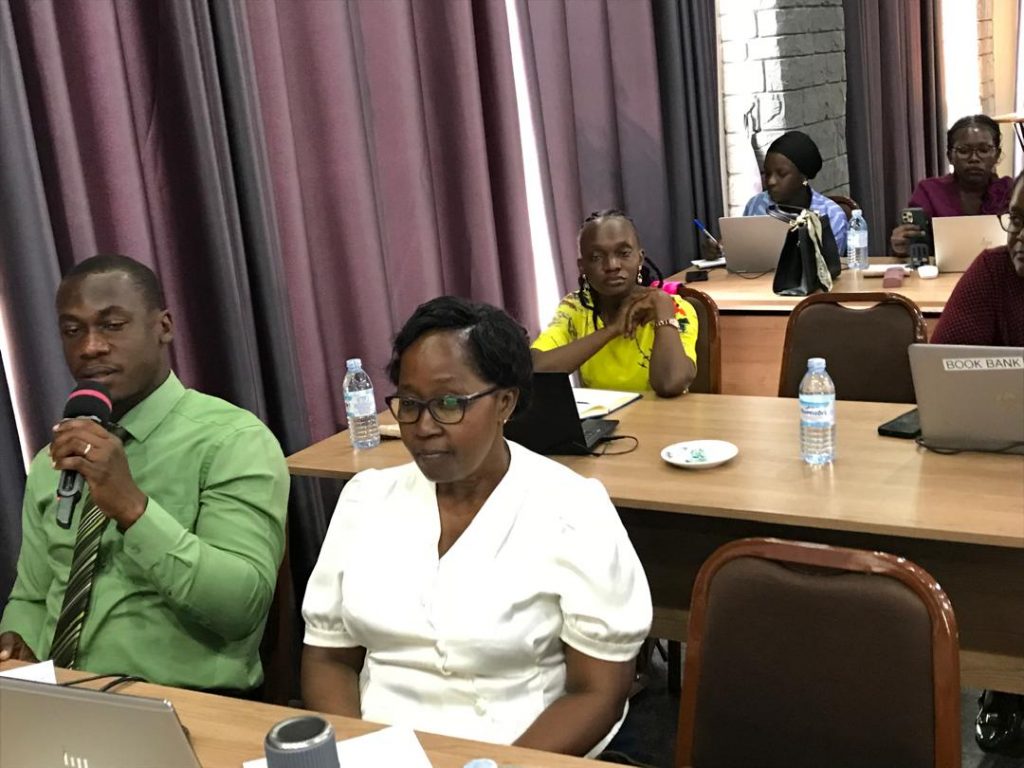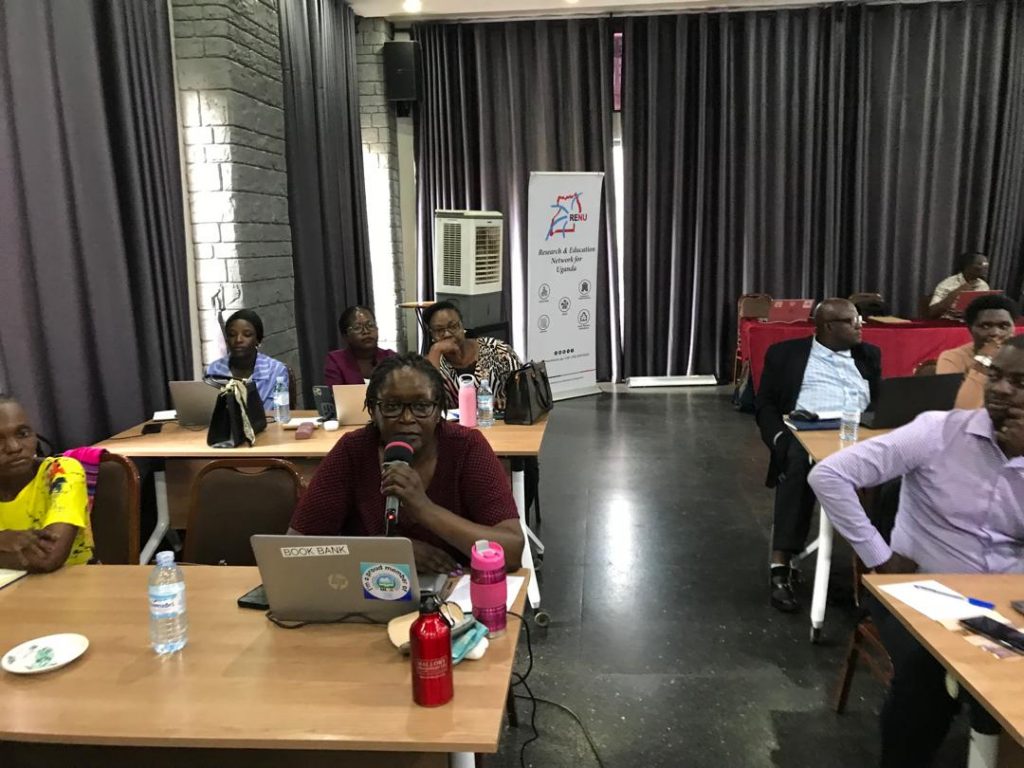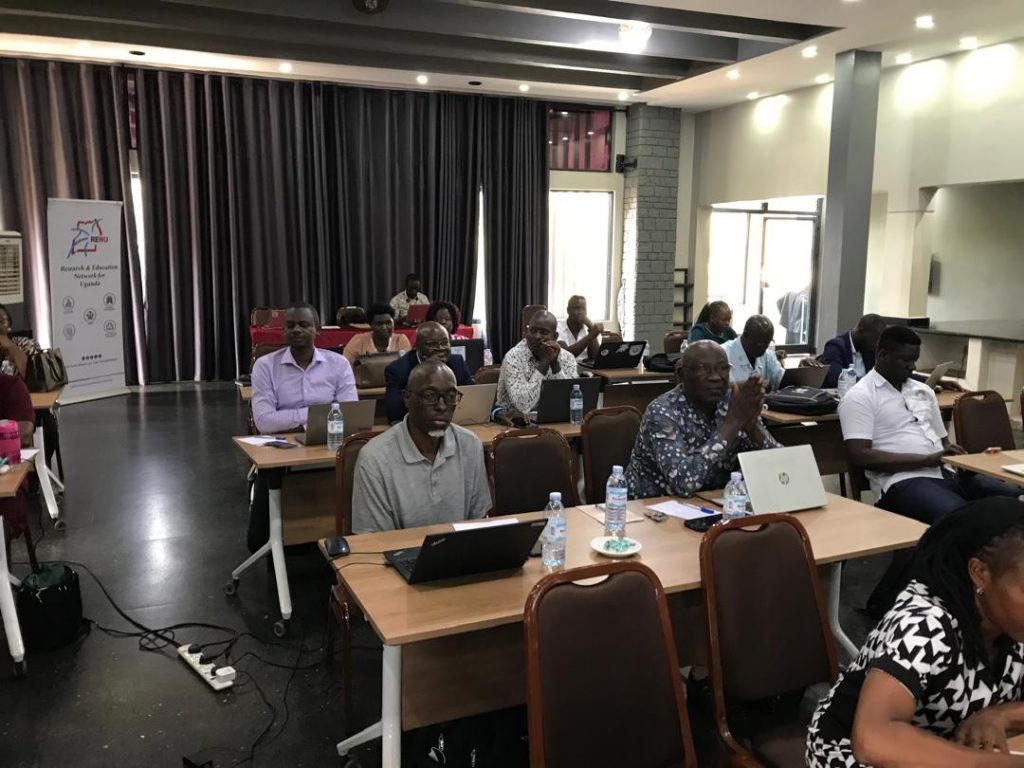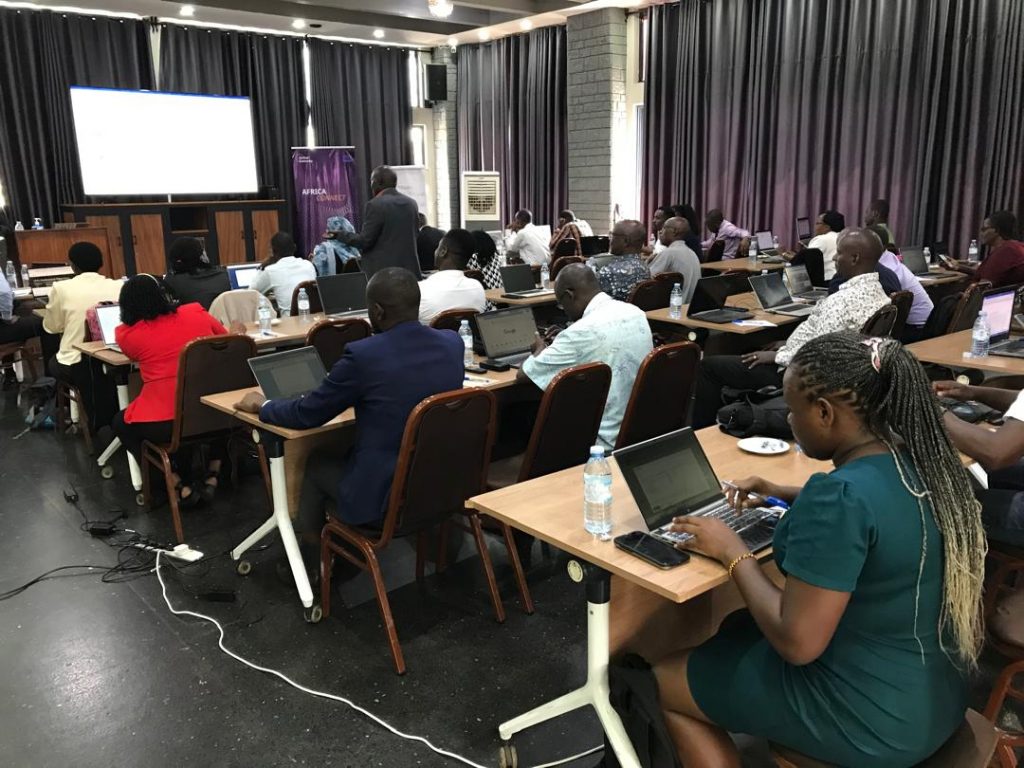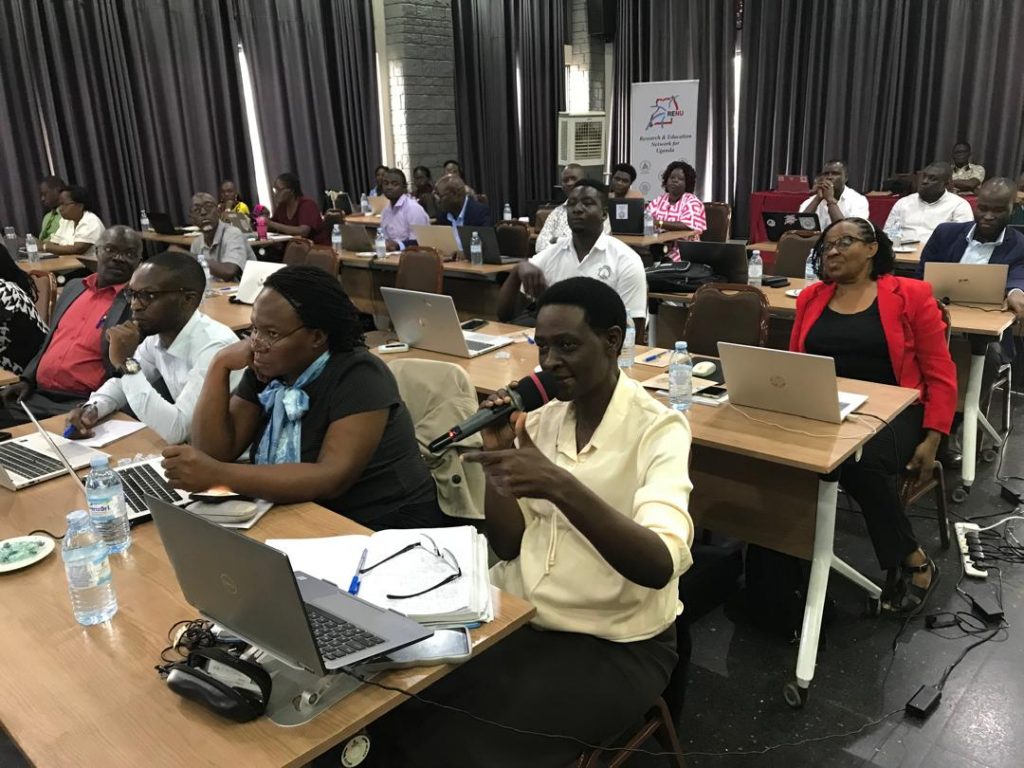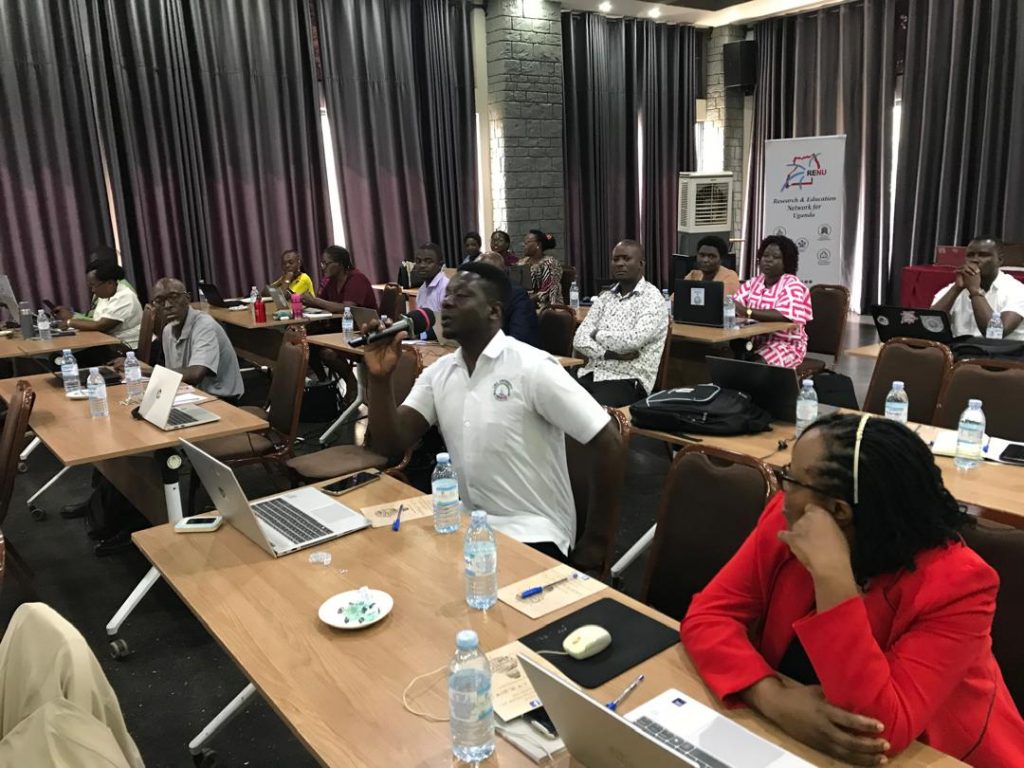
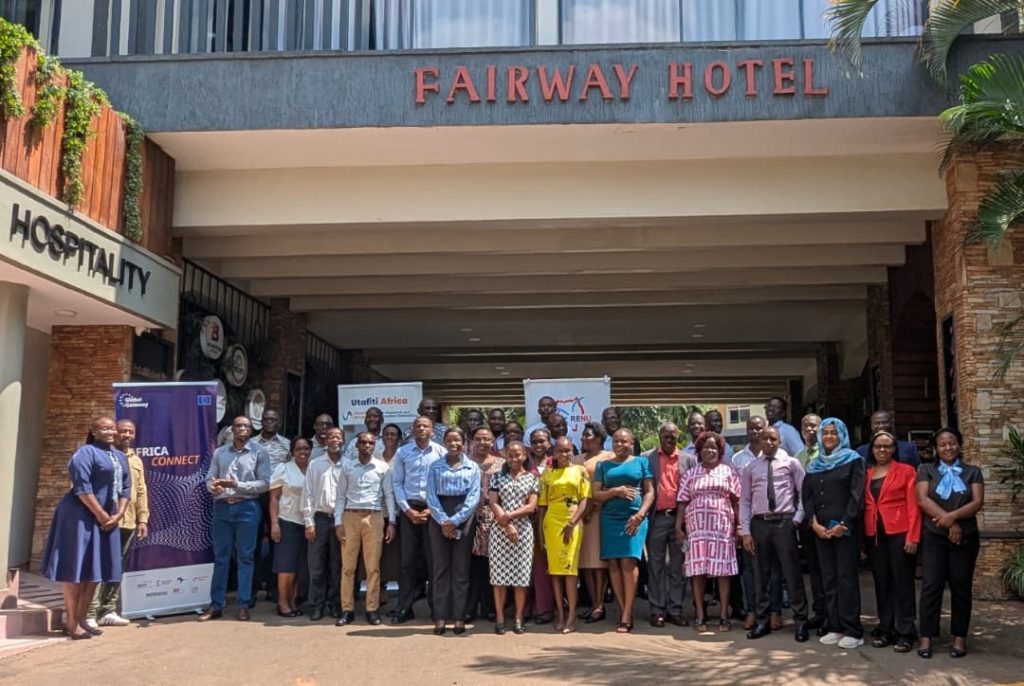
UbuntuNet Alliance, in collaboration with the Research and Education Network for Uganda (RENU), held a three-day Research Repository Stewardship Programme in Kampala, Uganda, from 12-14 August 2026. The training formed part of the project “Unlocking Potential: Elevating Open Institutional Repositories in Africa for Global Impact,” funded by Invest in Open Infrastructure (IOI) through its Network Adoption Fund and implemented by UbuntuNet Alliance in partnership with Access 2 Perspectives and member National Research and Education Networks (NRENs). The programme aimed to strengthen the capacity of librarians and repository professionals to establish, manage and improve Open Institutional Repositories, helping make African research outputs more visible, accessible and reusable.
Using presentations, practical exercises and group discussions, the workshop examined the role of librarians as repository managers, stewards, trainers and advocates. Participants explored institutional readiness, repository governance, policies and workflows, alongside the structure and operation of DSpace, including communities, collections, items, bitstreams, user roles and permissions. The training also covered metadata quality and Dublin Core, FAIR and CARE principles, licensing and rights management, authentication and authorisation, metadata aggregation, interoperability and repository policy development. Participants were encouraged to relate the lessons to their own institutions and identify practical steps for strengthening existing repositories or supporting the establishment of new ones.
The Kampala workshop brought together 35 participants from Uganda’s research and education community, comprising 21 men and 14 women. Their active participation created space for peer learning, allowing them to compare institutional experiences, discuss common repository challenges and consider approaches suited to their respective contexts.
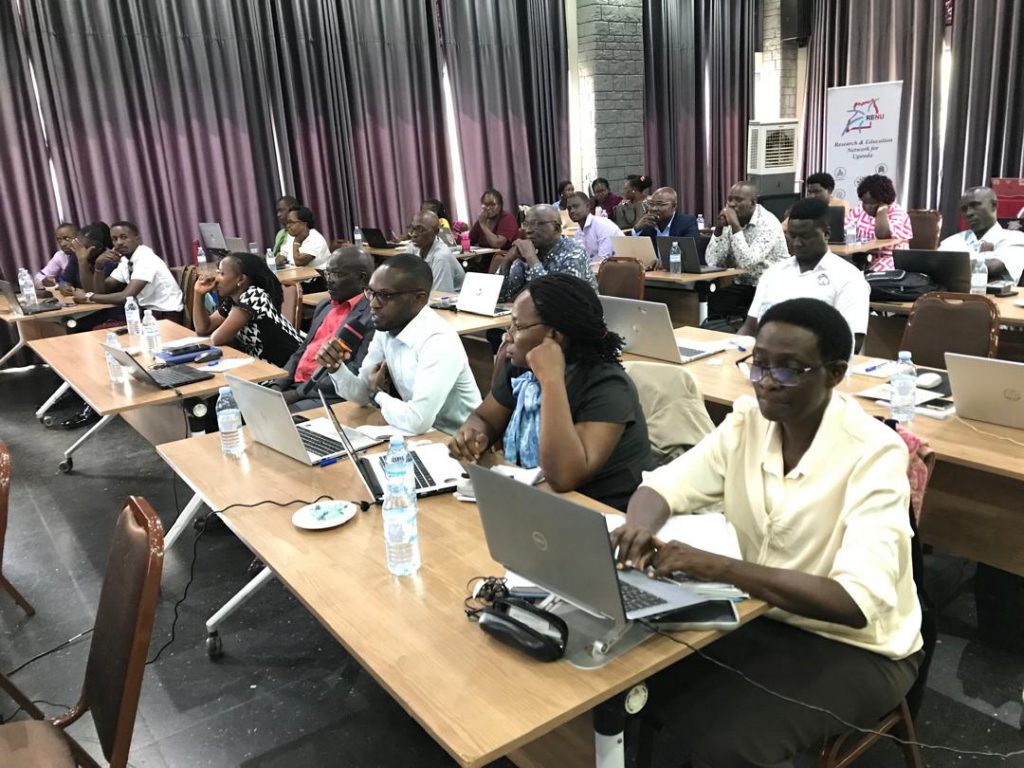
The training reinforced that installing a repository is only the starting point. Sustainable repositories require sound governance, consistent metadata, appropriate rights management, effective workflows, secure user administration and continuous curation. Participants left better equipped to advocate for institutional commitment, improve repository practices and connect local research outputs to wider discovery systems.
Learning will continue through the Open Pan-African Repository Community of Practice (OPAR-CoP), where participants can exchange knowledge and support one another as they apply the training. This continued engagement will help turn individual skills into stronger institutional and regional open research infrastructure.
The Kampala programme was an important step towards improving the visibility and long-term stewardship of Uganda’s research outputs. UbuntuNet Alliance acknowledges IOI for funding the wider project, Access 2 Perspectives for its project partnership, RENU for hosting and supporting the training, and the participants and their institutions for their commitment to advancing Open Science and sustainable institutional repositories.