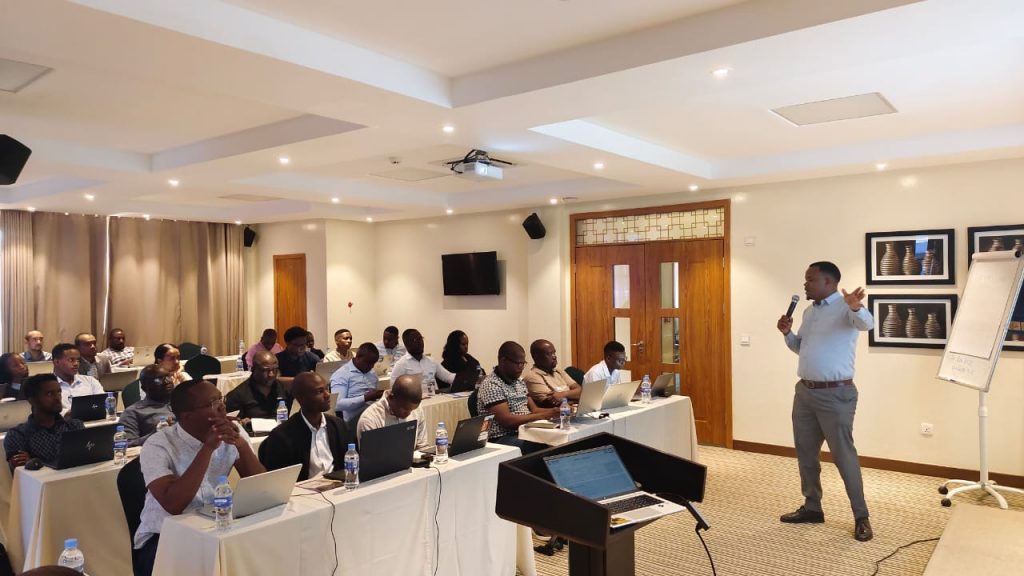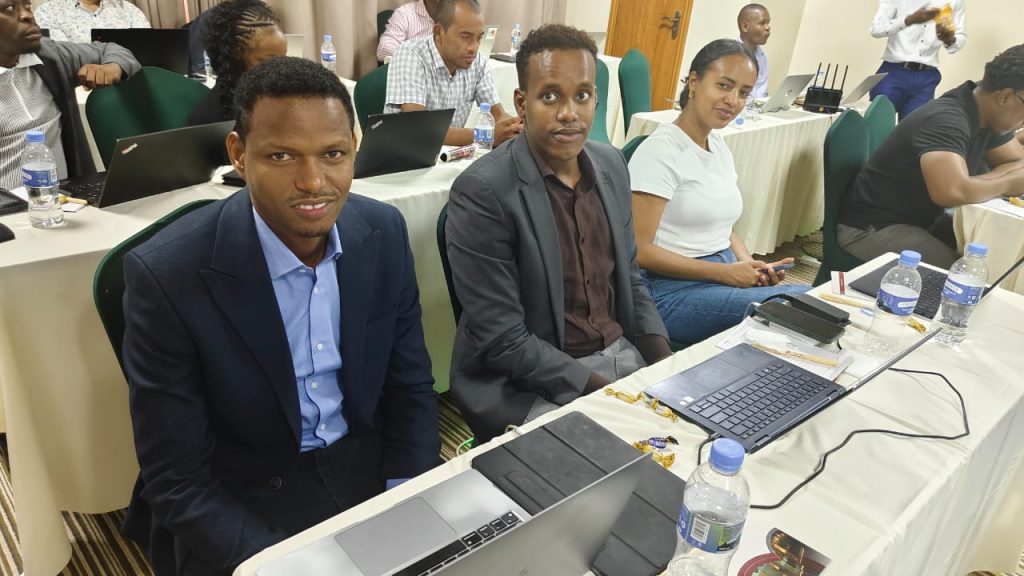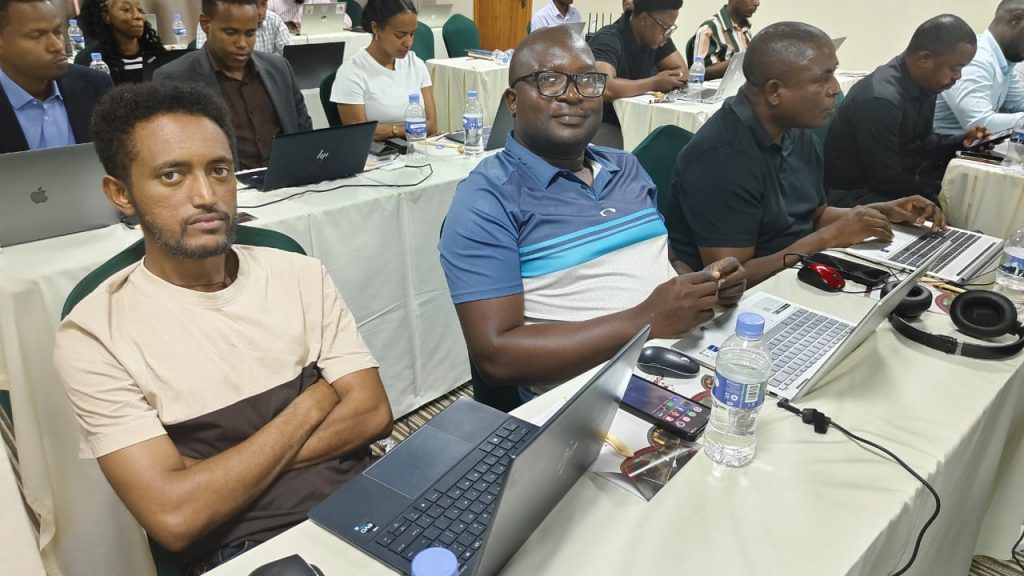
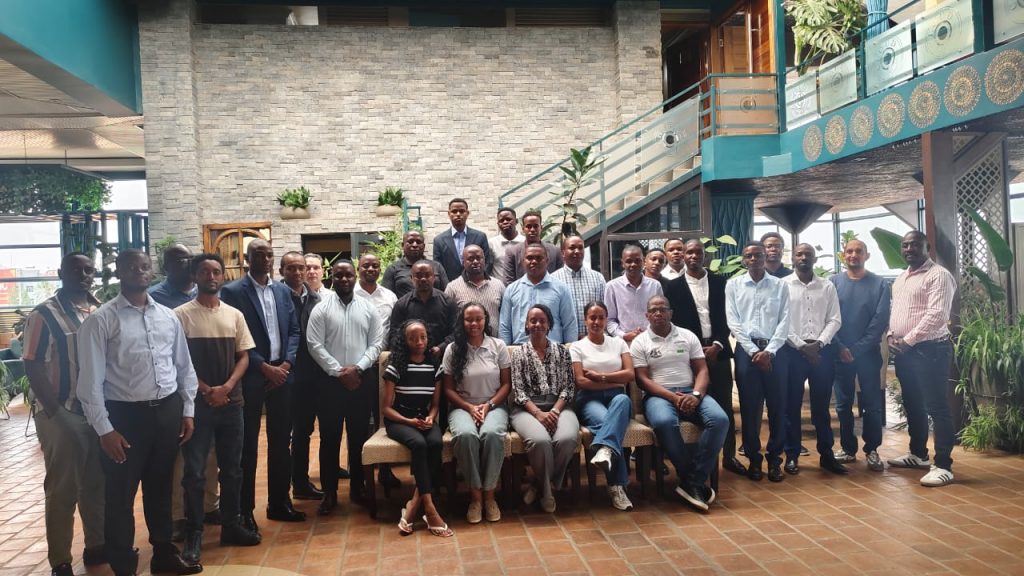
UbuntuNet Alliance, hosted by the Rwanda Education and Research Network (RwEdNet), held a regional DSpace-as-a-Service (DSaaS) Engineering Bootcamp in Kigali, Rwanda, from 3-7 August 2026. The five-day systems engineering training formed part of the project “Unlocking Potential: Elevating Open Institutional Repositories in Africa for Global Impact,” funded by Invest in Open Infrastructure (IOI) through its Network Adoption Fund and implemented by UbuntuNet Alliance in partnership with Access 2 Perspectives and member National Research and Education Networks (NRENs).
The bootcamp strengthened the technical capacity of NRENs to deploy, secure and operate DSpace 9 as a managed service for universities and research institutions. This model can give institutions access to professionally managed repository infrastructure without requiring each one to maintain the entire technical environment independently.
The programme followed a practical, learn-by-building approach. It covered Linux administration, Docker, Kubernetes, DSpace 9 architecture and deployment, repository customization, multi-instance management, metadata, user roles and workflows, security, monitoring, troubleshooting, backup and disaster recovery. Participants deployed and customized DSpace environments using Docker Compose, configured multiple institutional repository instances on shared infrastructure, implemented HTTPS and reverse-proxy services, enabled OAI-PMH interoperability and practiced backup and restoration. A capstone laboratory brought these skills together in a production-readiness exercise, while an introduction to DSpace-CRIS showed how repository infrastructure can support broader research information management.
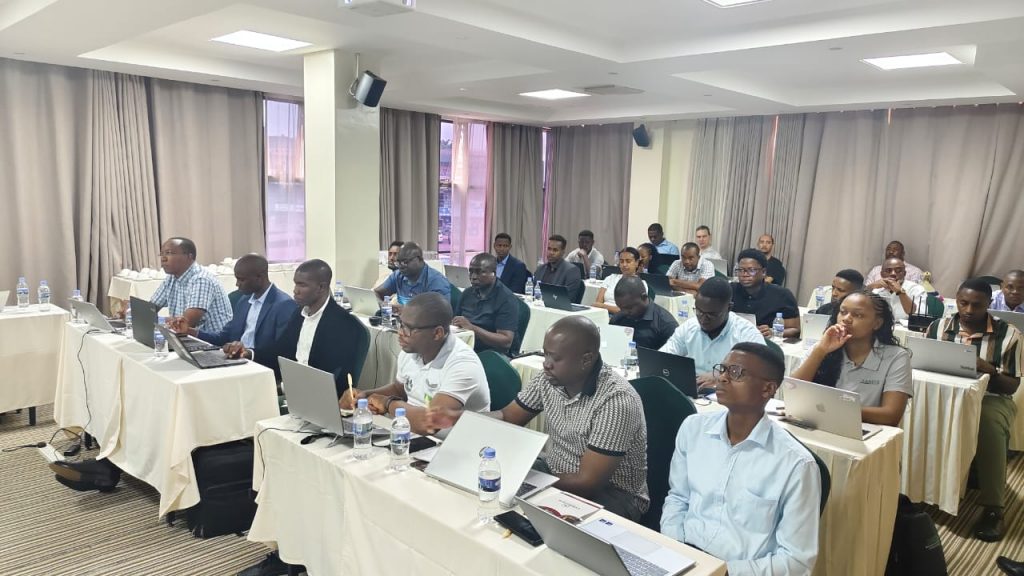
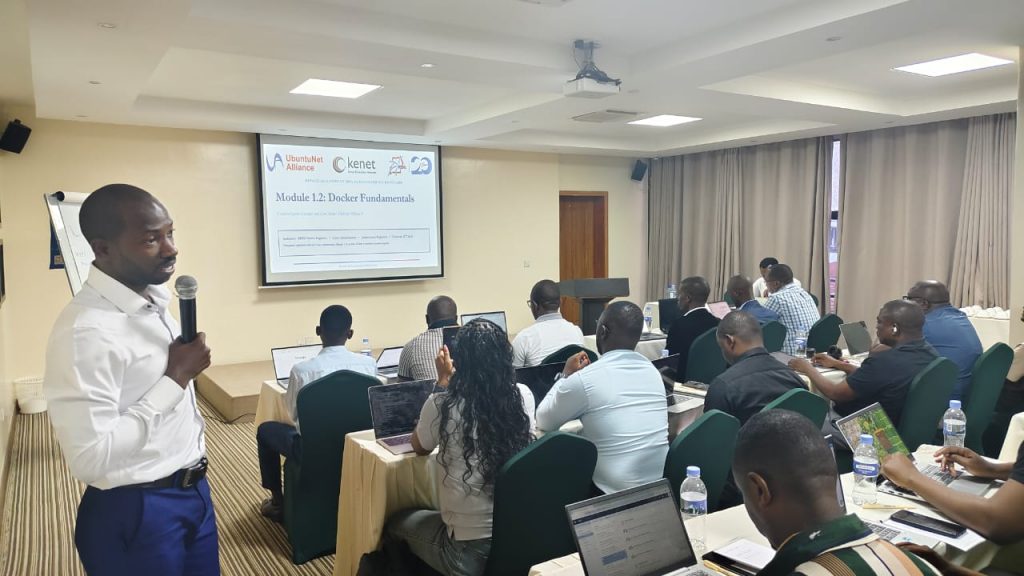
The bootcamp brought together 26 systems and technical professionals – 23 men and 3 women – from 14 UbuntuNet Alliance member NRENs: MAREN, iRENALA, ZAMREN, EthERNet, ZIMREN, LesREN, SomaliREN, BotsREN, TERNET, BERNET, TENET, RENU, MoRENet and RwEdNet. The training was facilitated by Daniel Kawuma, Head of the Systems and Software Department at RENU, and Amos Koech, Systems Engineer at the Kenya Education Network (KENET). Their contribution demonstrated the value of drawing on technical expertise within the regional NREN community. Participants also exchanged operational experience and built relationships that can support continued peer-to-peer collaboration.
The training gave participating NRENs a practical foundation for delivering secure, reliable and scalable repository services to multiple institutions. It also supported the continuing evolution of NRENs from connectivity providers into providers of shared digital services and infrastructure for research and education. As participants apply the skills within their home NRENs, the DSaaS model will reduce technical barriers for universities, strengthen institutional repositories and make research outputs from Eastern and Southern Africa more discoverable, accessible and reusable. Continued technical collaboration will be important as NRENs adapt the common training environment to their own operational contexts.
The Kigali bootcamp marked an important step in translating the project’s vision for stronger African open research infrastructure into practical engineering capacity. UbuntuNet Alliance acknowledges IOI for funding the wider project, Access 2 Perspectives for its project partnership, RwEdNet for hosting the training, RENU and KENET for providing the facilitators, and all participating NRENs and engineers for their commitment to building sustainable repository services across the region.