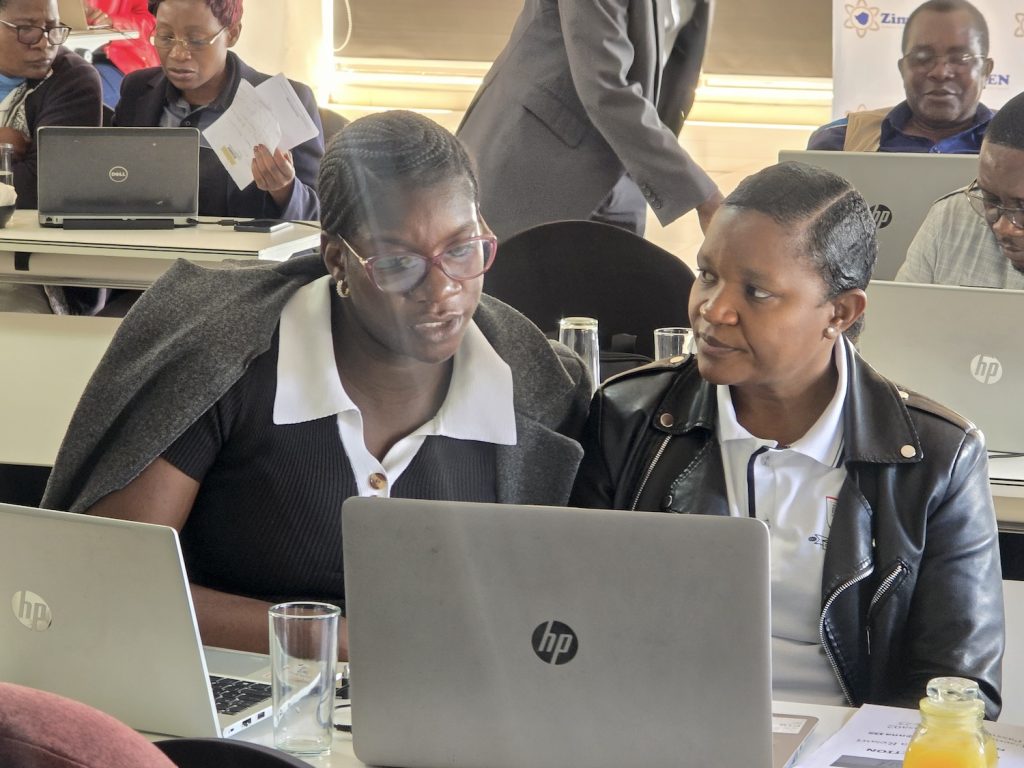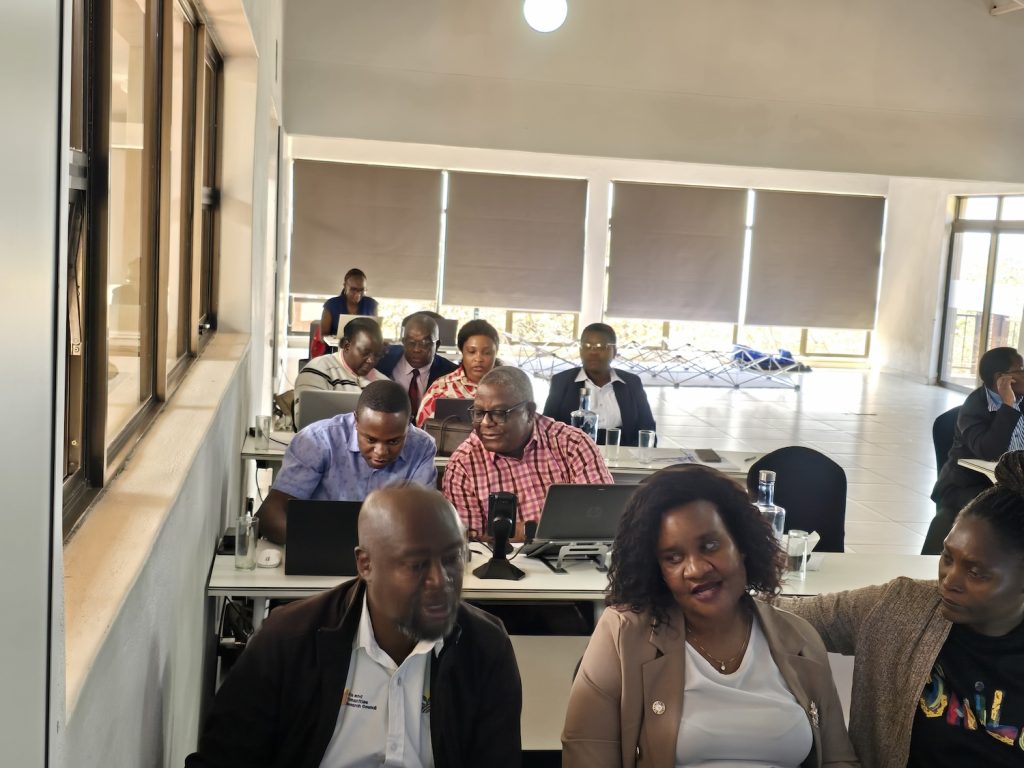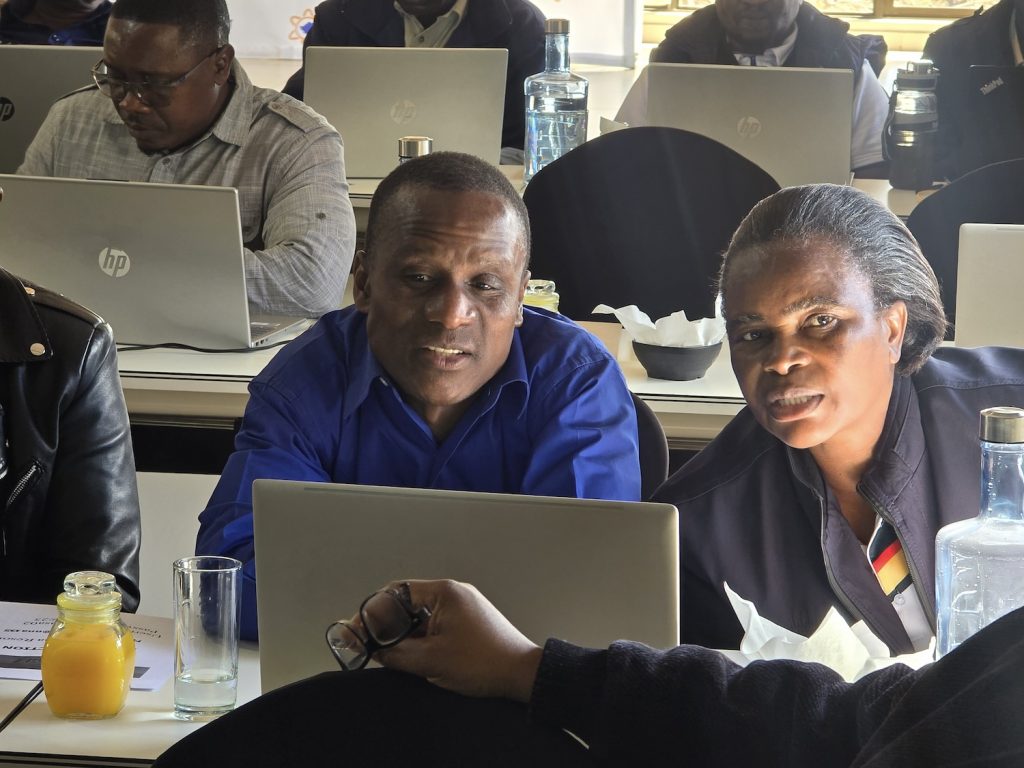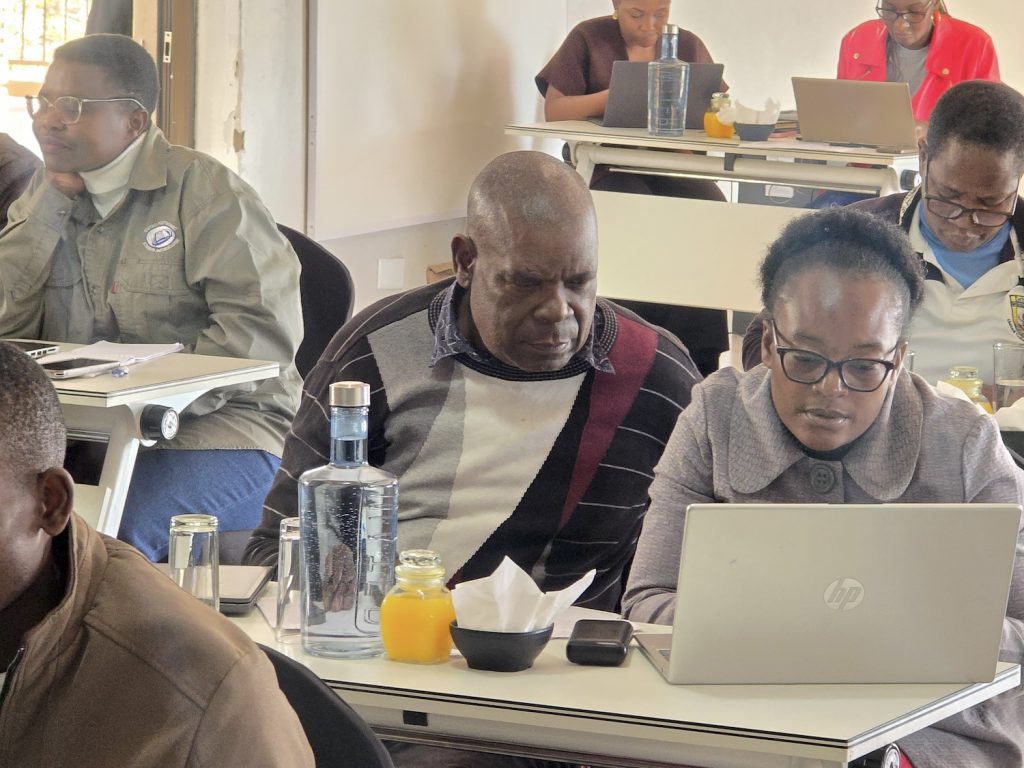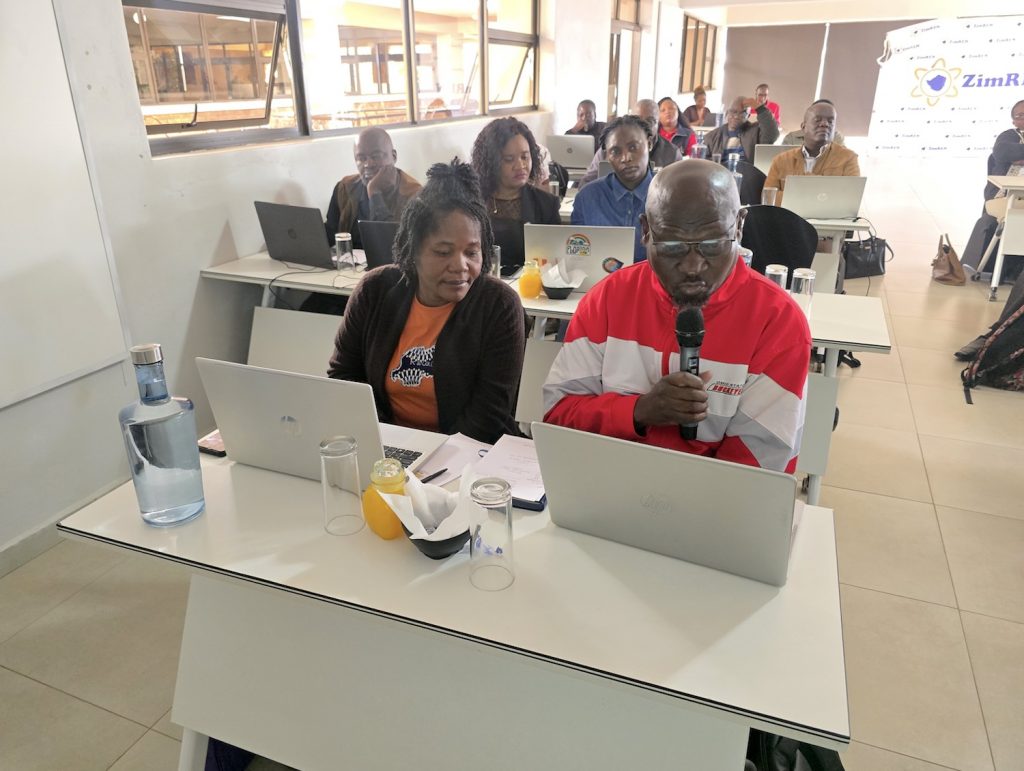
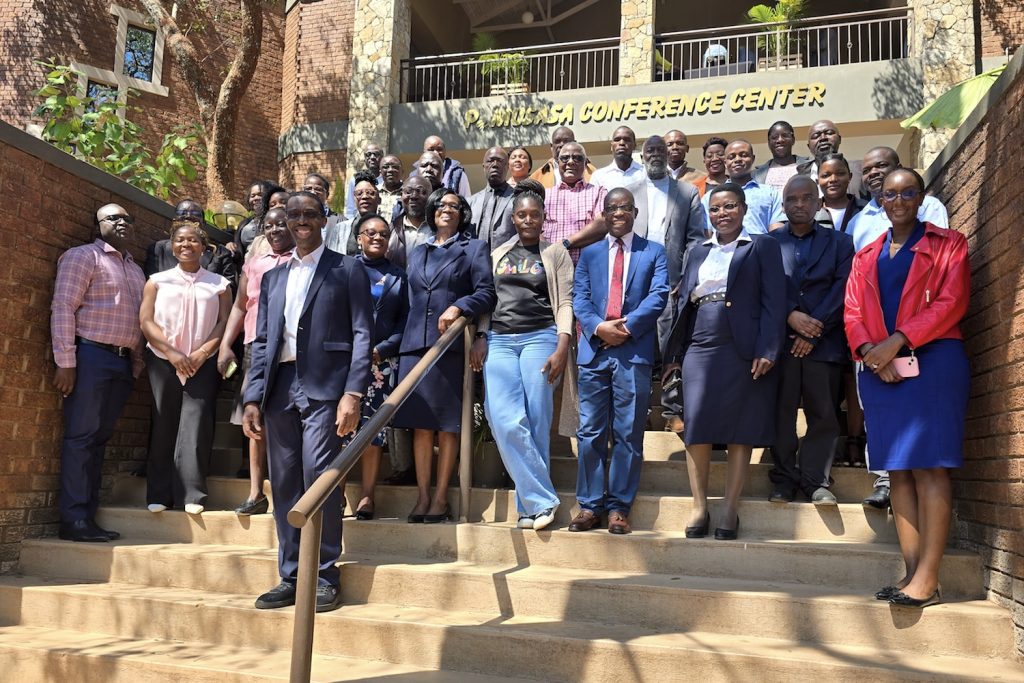
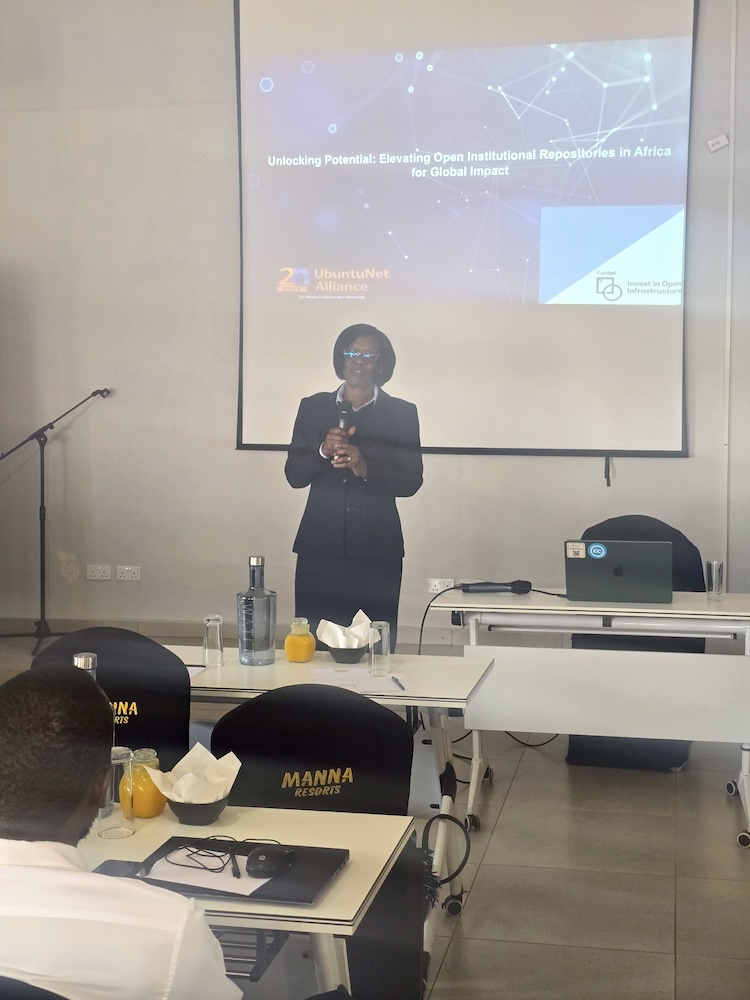
Zimbabwian librarians attending the Research Repository Stewardship Programme (RRSP) workshop from August 26-28, 2026, in Harare, Zimbabwe pledged to either develop or strengthen their open institutional repositories to increase the visibility and discoverability of their nation’s research output. The workshop, attended by 28 librarians from across Zimbabwe, was facilitated by Prof Madara Ogot, the CEO of the Alliance, and hosted by the Zimbabwe Research and Education Network, ZIMREN The RRSP workshops are sponsored by the Invest in Open Infrastructure Fund (IOI) and aims to equip participants with the tools and skills to strengthen existing open research repositories or establish new ones at their institutions. The workshops are being run in each of the Alliance’s 16-member countries, targeting 560 librarians to increase the number of open institutional research repositories in the region from approximately 190 to over 400 by 2027.
During the opening ceremony, ZimREN CEO, Dr Miriam Chahuruva, urged the participants ” …not to operate in silos, but to collaborate with each other.” She added that after the training she was looking forward to “… insitutions working alone to become a thing of the past and for the instutions to work within the [ZimREN] community which would be collaborative, would be working together and would be sharing.” She concluded by noting that, “… knowledge [from the training] is power and would lessen the timeframe for institutions to set up [their] repositories.
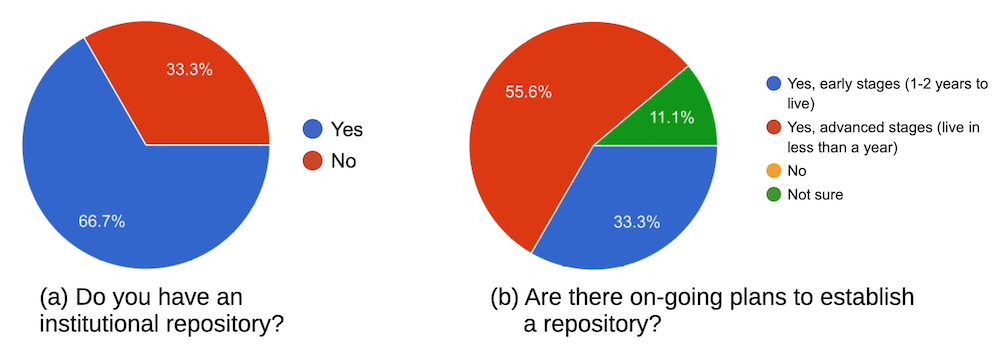
A post-workshop survey of the participants found that ~67% of the institutions represented had an open institutional repository. For those who did not, a large percentage (~56%) were at an advanced stage (within a year) of establishing one with ~33% of them in the early stages.
Two 30-item instruments were also administered to the participants during the final session of the workshop, one targeting readiness at institutions that do not have repositories and the other the current status at institutions with a repository to establish possible areas to be strengthened. The instruments addressed issues surrounding governance and strategy; content and submission; access, rights, and legal issues; metadata, quality, and interoperability; preservation and technical issues; and data protection, security, and risk, all which were covered in the three-day workshop.
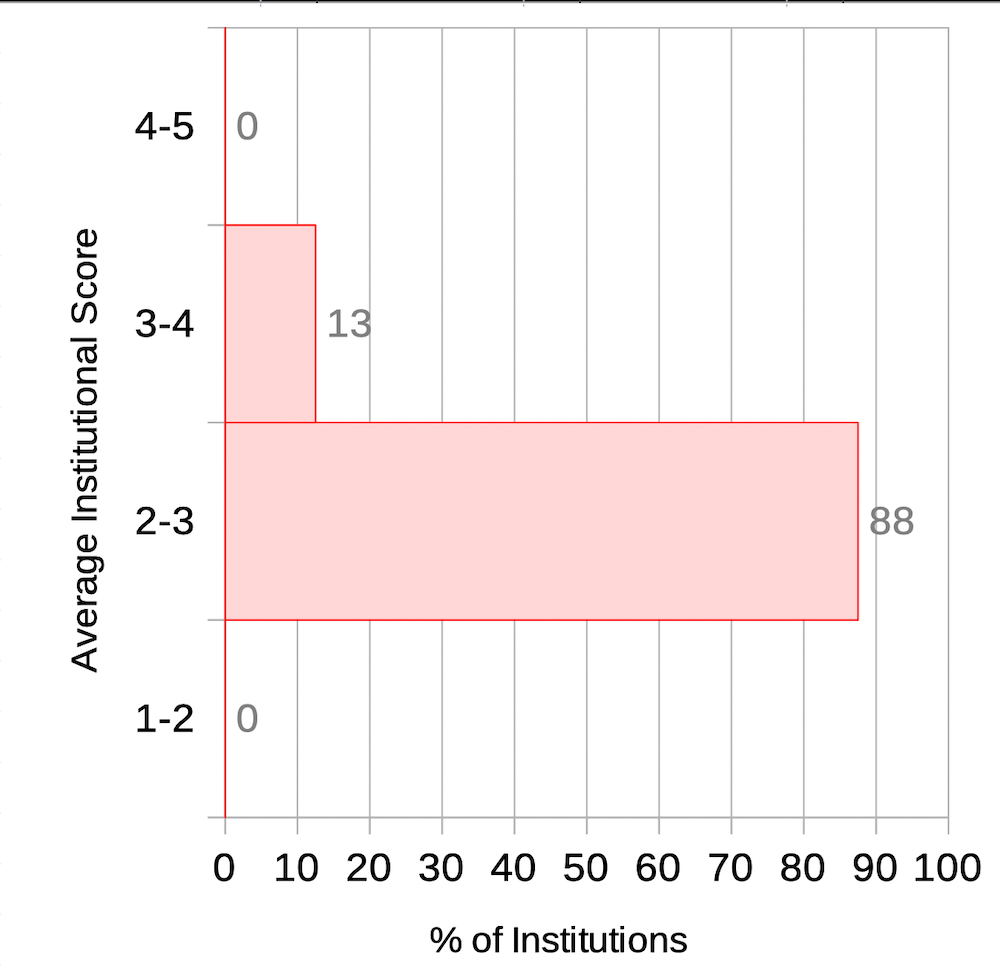
From the surveys, with five as the high score, institutions without repositories where well into their individual journeys to establish their repositories, with 88% of them scoring between 2-3 and 13% between 3-4. The main aim of the survey was to not only determine the participant’s institutions’ readiness, but to also help them identify gaps and prioritise a few immediate actions as part of their repository development plans.
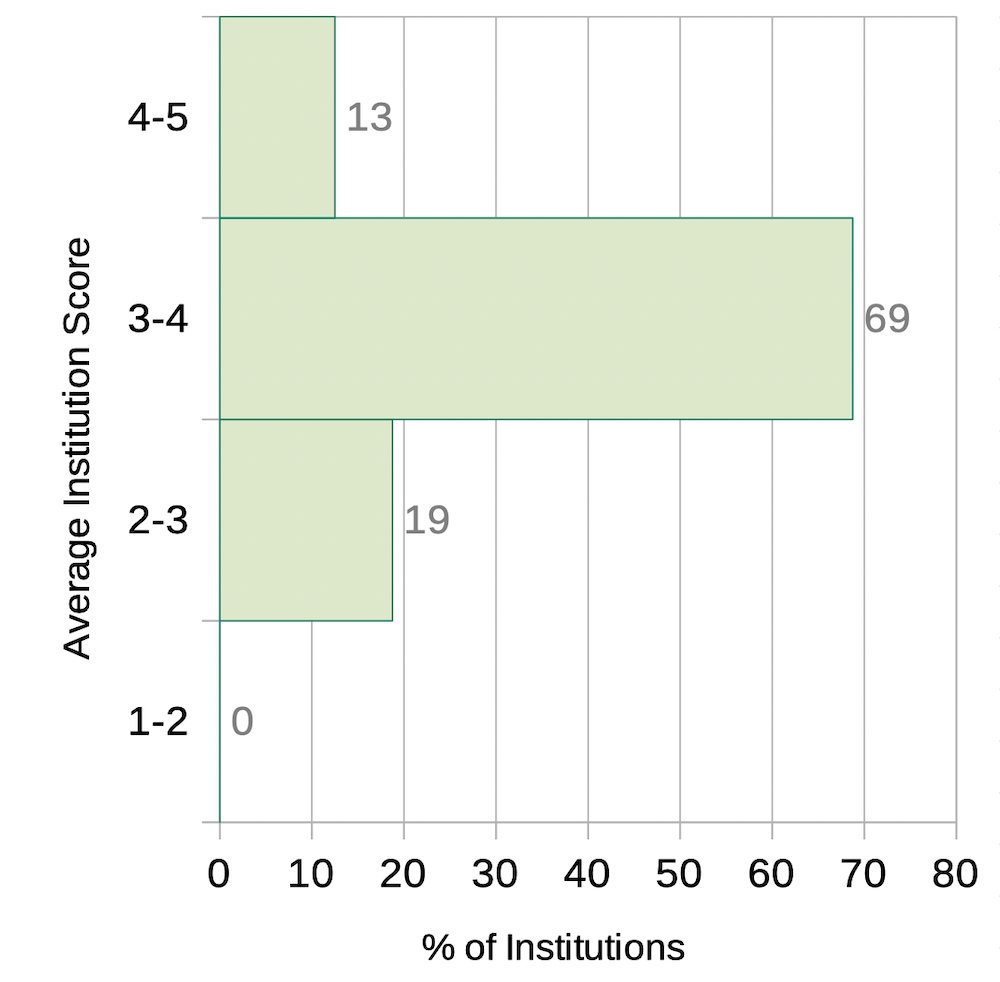
The results from participants with open institutional repositories revealed that the majority are well on their way to having well-run sustainable repositories, with 69% scoring between 3-4 and 13% between 4-5. For this group, the outcome from the surveys shall support their repository improvement plans to address identified and prioritised areas that need strengthening.
The Research Repository Stewardship Programme is one of three run by the Alliance and its member NRENs, under the IOI-funded project, Unlocking Potential: Elevating Open Institutional Repositories in Africa for Global Impact. The other two are the DSpace as a Service Engineering Bootcamp for NREN system engineers and the Research Data Stewardship Programme, an intensive Training of Trainers for institutional open data champions to be run in 2027. Combined, the three capacity-building programmes seek to significantly increase the number of open institutional repositories across Eastern and Southern Africa to enhance the discovery, accessibility, and reusability of research outputs from and about Africa.