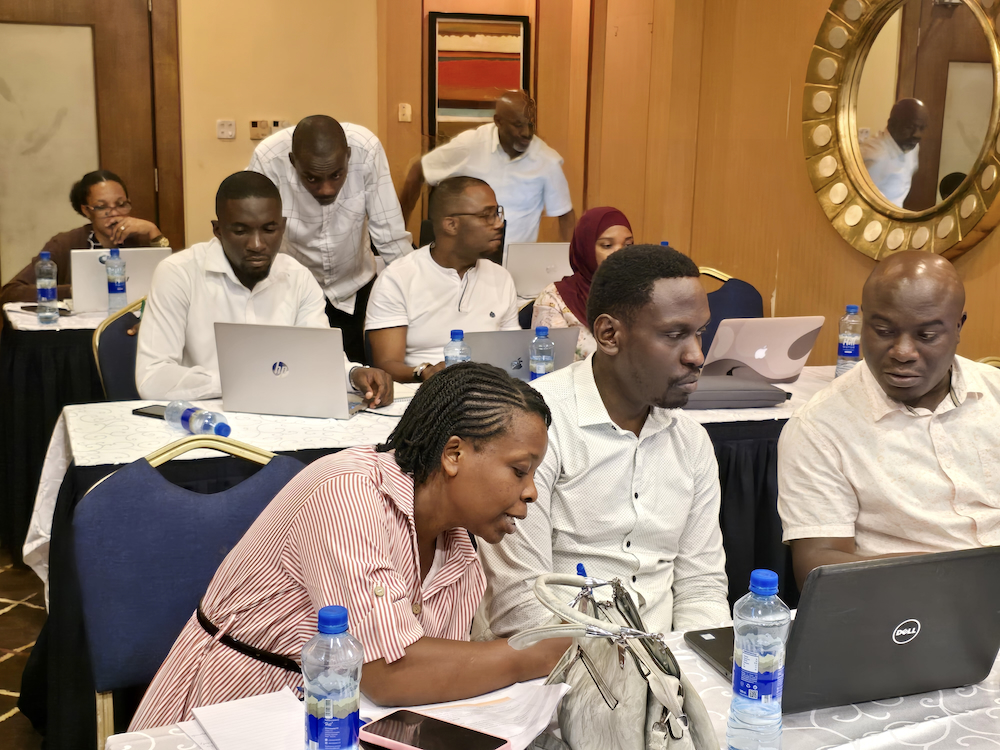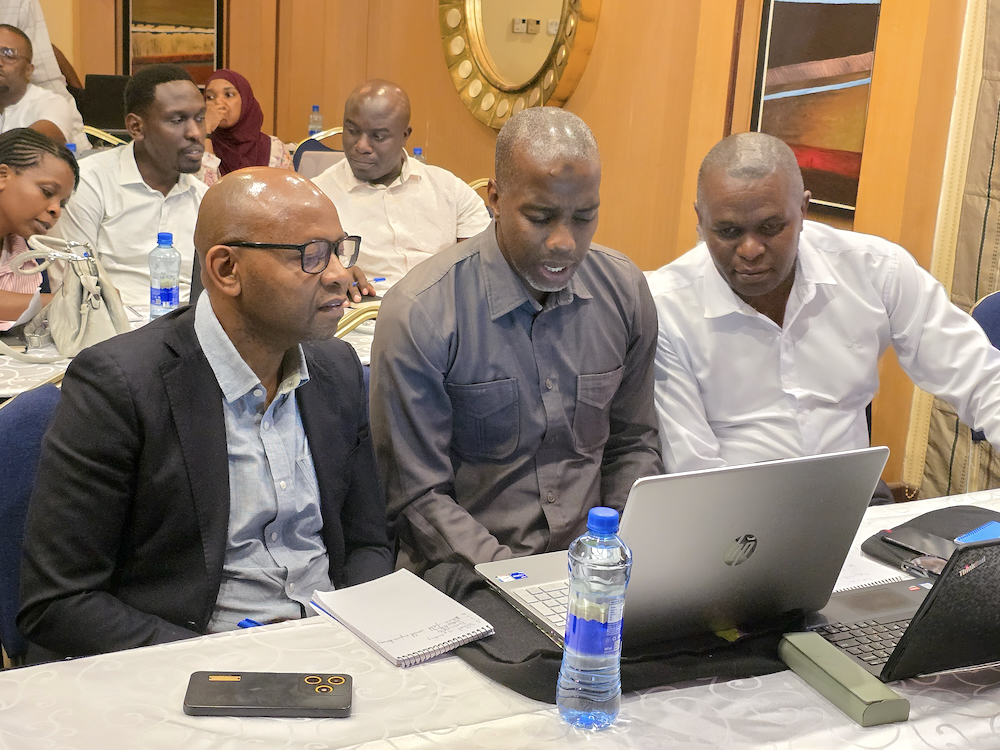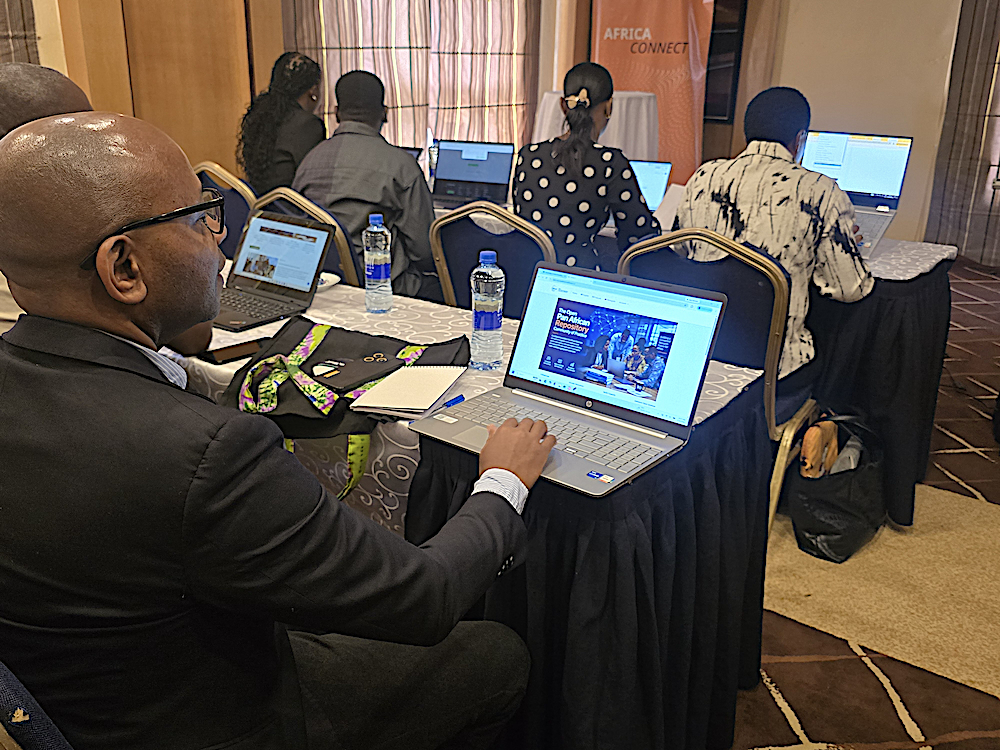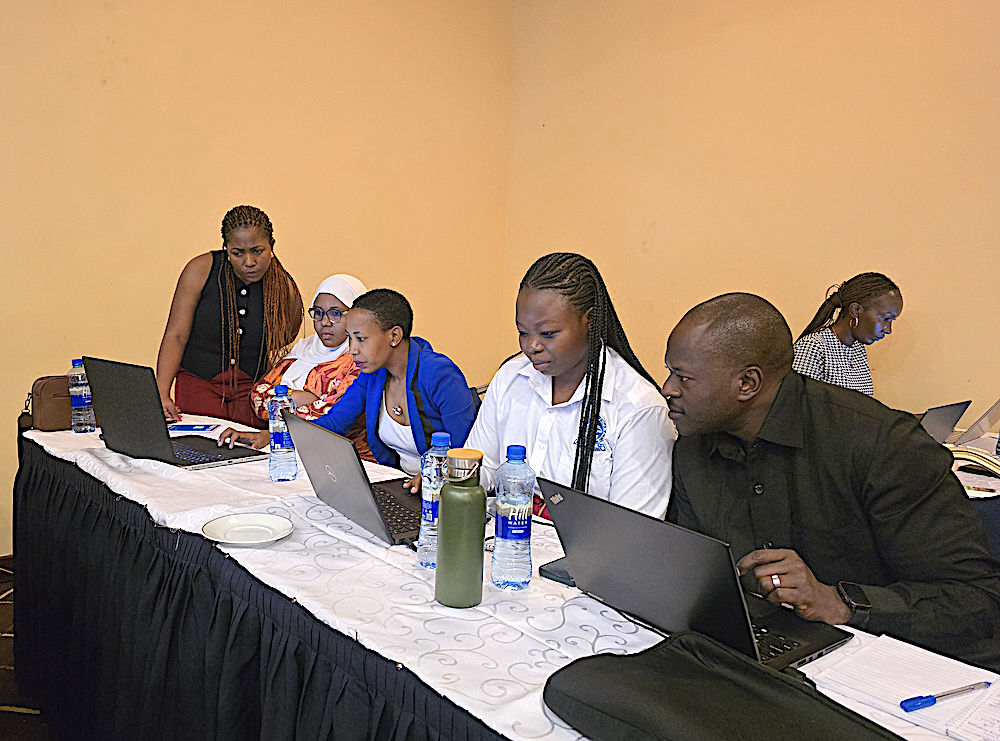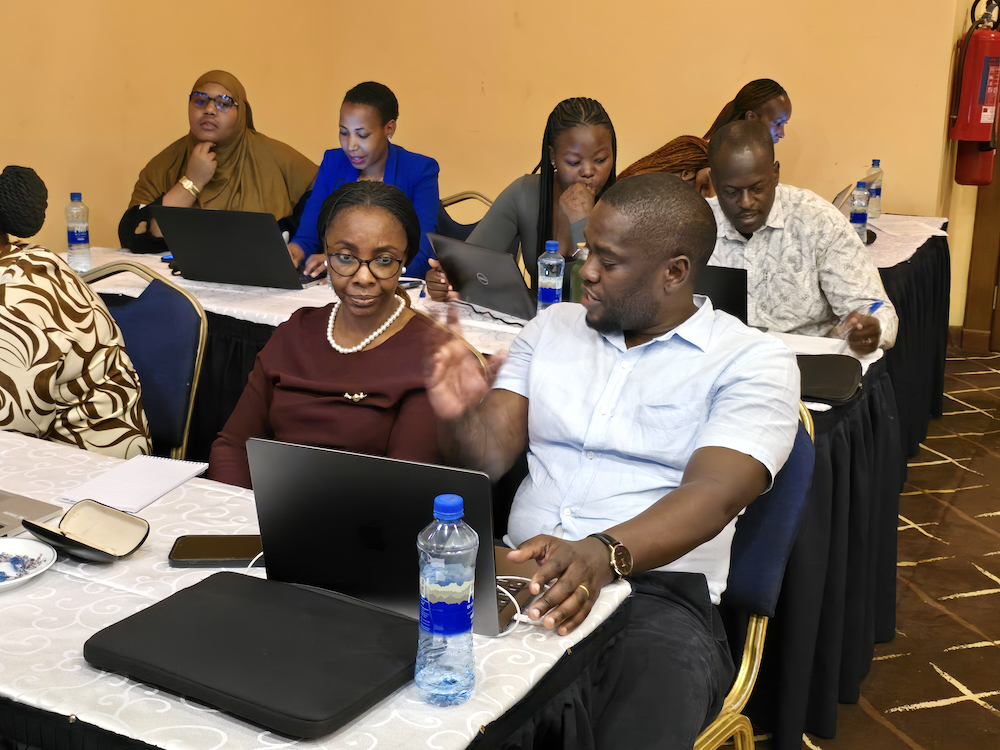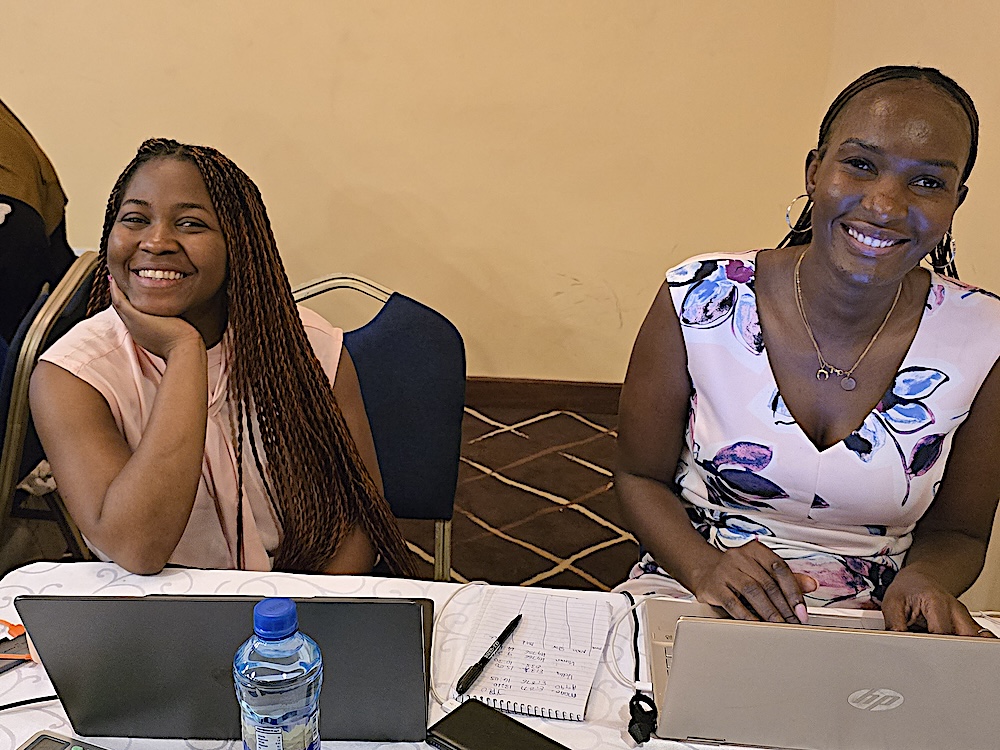

During the Alliance’s Research Repository Stewardship Workshop held in Dar es Salaam from September 28-30, 2026, Tanzanian university librarians committed to ensuring that their institutions’ research output was globally discoverable, accessible and reusable. The 3-day workshop, facilitated by Prof Madara Ogot, the CEO of UbuntuNet Alliance, sought to equip the participants with the tools and skills to strengthen existing open research repositories (OIRs) or establish new ones at their institutions. The workshop was hosted by the Tanzania Research and Education Network (TERNET) and sponsored by the Invest in Open Infrastructure Fund (IOI) and the European Union.
The workshops are being run in each of the Alliance’s 16 member countries, targeting 560 librarians with the aim of significantly increasing the number of OIRs in Eastern and Southern Africa from approximately 190 in December 2025 to over 400 by the end of 2027. The small number of OIRs, coupled with gaps in the implementation of best practices, has resulted in Africa’s research output remaining difficult to discover and access and therefore underused. The 35 participants are expected to apply the skills developed during the workshop to significantly increase the discoverability and visibility of Tanzania’s research output.
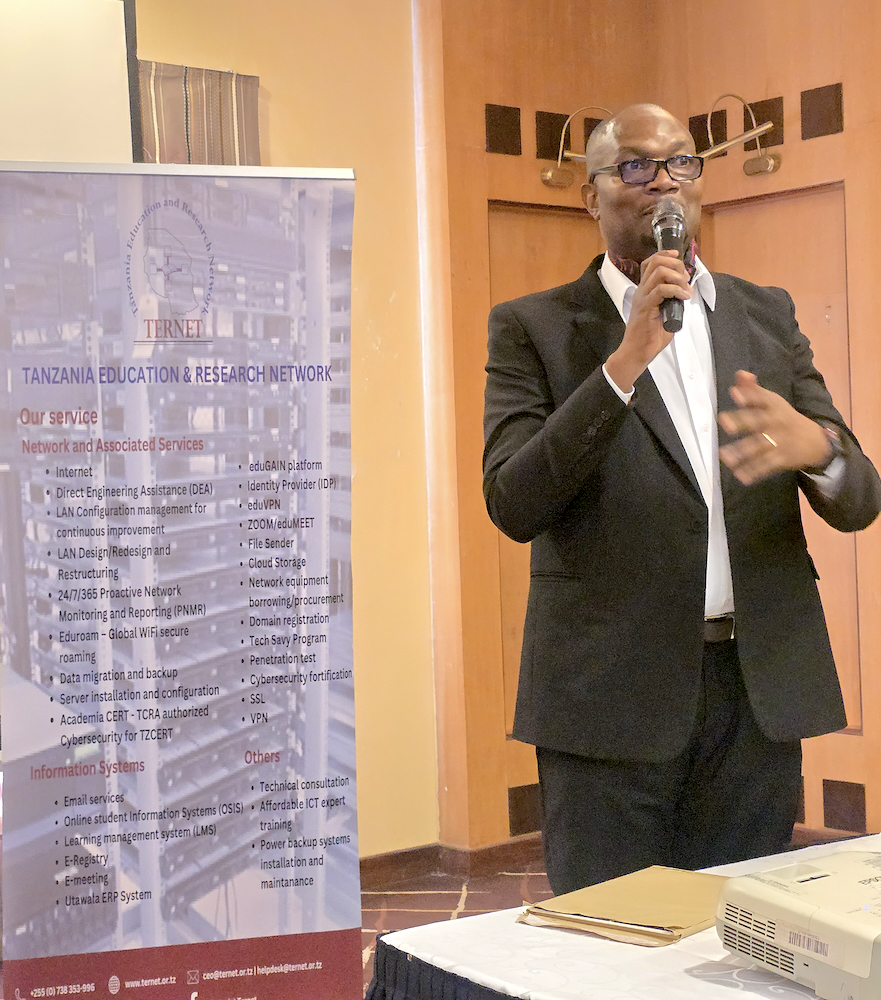
The Chief Executive Officer of TERNET, Dr Frank Seth, officially opened the workshop. He emphasised to the participants the important role that NRENs in general and TERNET in particular play within the research and education community. He informed the participants that, “In each country there is only one NREN and that TERNET is the NREN in Tanzania. And the owner of TERNET is your institutions…” He urged those institutions that had not yet become members of TERNET to do so and enjoy the full benefits of membership and participation within the community, including similar capacity-building activities.
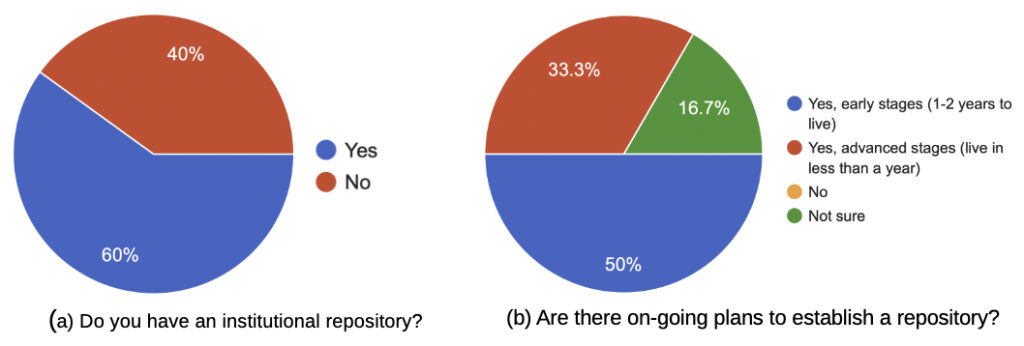
From a post-workshop survey of the 35 participants, it was established that ~60% of the represented institutions had a functional open institutional repository. From the same survey ~50% of the institutions that did not have a repository indicated that they were in the early stages of establishing one, with ~33% in the advance stages with a live repository expected in less than one year.
The Research Repository Stewardship Programme is one of three run by the Alliance and its member NRENs, under the IOI-funded project, Unlocking Potential: Elevating Open Institutional Repositories in Africa for Global Impact. The other two are the DSpace as a Service Engineering Bootcamp for NREN system engineers and the Research Data Stewardship Programme, an intensive Training of Trainers for institutional open data champions to be run in 2027. Combined, the three capacity-building programmes seek to significantly increase the number of open institutional repositories across Eastern and Southern Africa to enhance the discovery, accessibility, and reusability of research outputs from and about Africa.