
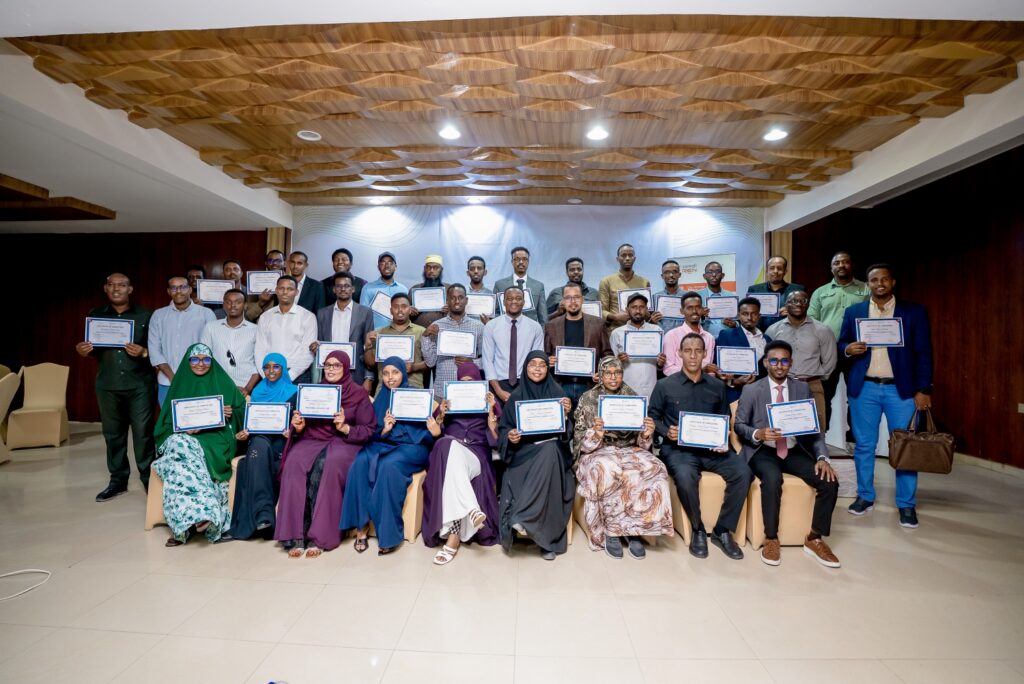
Somalia has marked a major milestone in the drive to strengthen African research visibility, hosting the final workshop in UbuntuNet Alliance’s 16-country Research Repository Stewardship Programme. Held from 12–14 October 2026, in collaboration with the Somalia Research and Education Network (SomaliREN), the training brought together 35 librarians from across Somalia to build practical skills in establishing, managing and sustaining open institutional repositories.
As training number 16 of 16, the Somalia workshop brought the project’s first phase of in-country repository stewardship training to a close. It also provided a platform for a significant national initiative: the formation of a committee tasked with working towards the establishment of a library consortium for Somalia, with guidance from SomaliREN.
The workshop forms part of Unlocking Potential: Elevating Open Institutional Repositories in Africa for Global Impact, a three-year project led by UbuntuNet Alliance with funding from Invest in Open Infrastructure (IOI) through its Network Adoption Fund. Working through National Research and Education Networks, the project combines professional training, shared infrastructure and continued community support to make African research more discoverable, accessible and reusable.
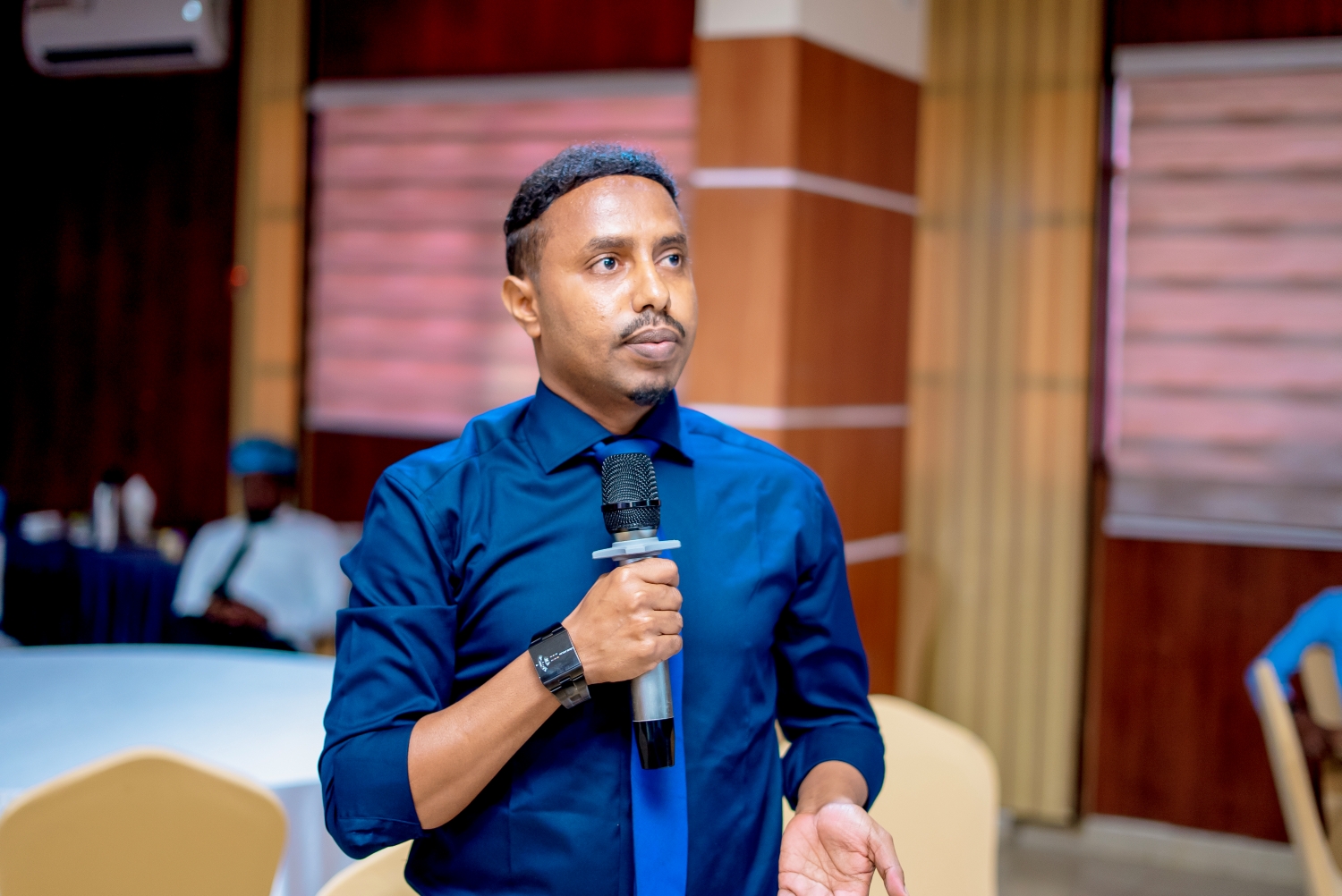
Completing this training programme in Somalia placed the country’s librarians at the centre of an important regional achievement. The workshop created space for participants to consider how research produced within Somali institutions can be better organised, preserved and shared, and how their institutions can contribute more visibly to African and global scholarship. The audience’s engagement was a defining feature of the three days. Participants actively contributed to discussions, shared experiences from their institutions and explored practical challenges together. This exchange enriched the training, connecting repository management principles with the realities faced by the librarians who will put them into practice.
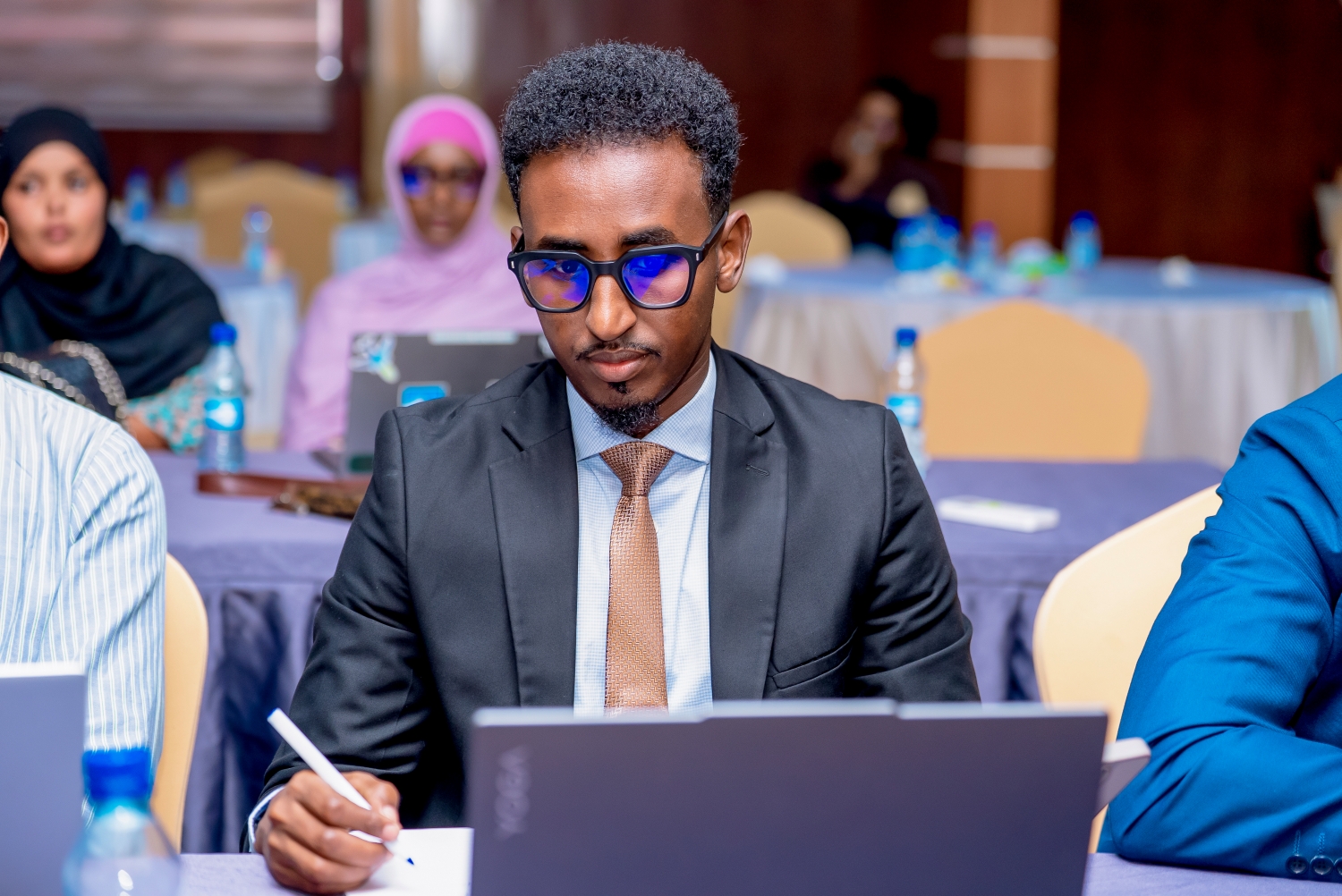
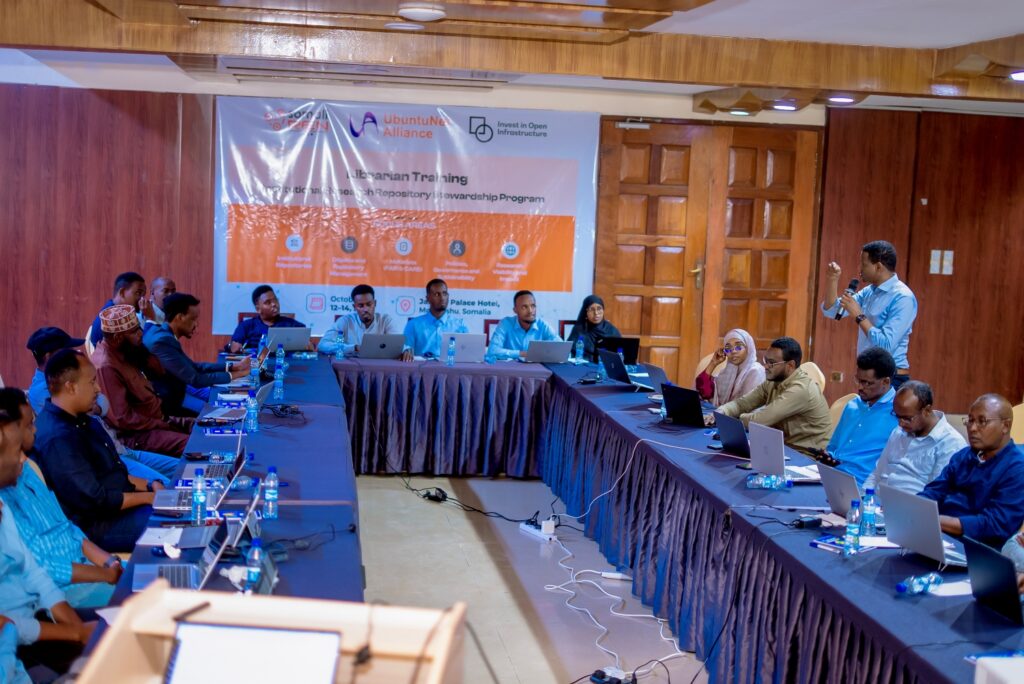
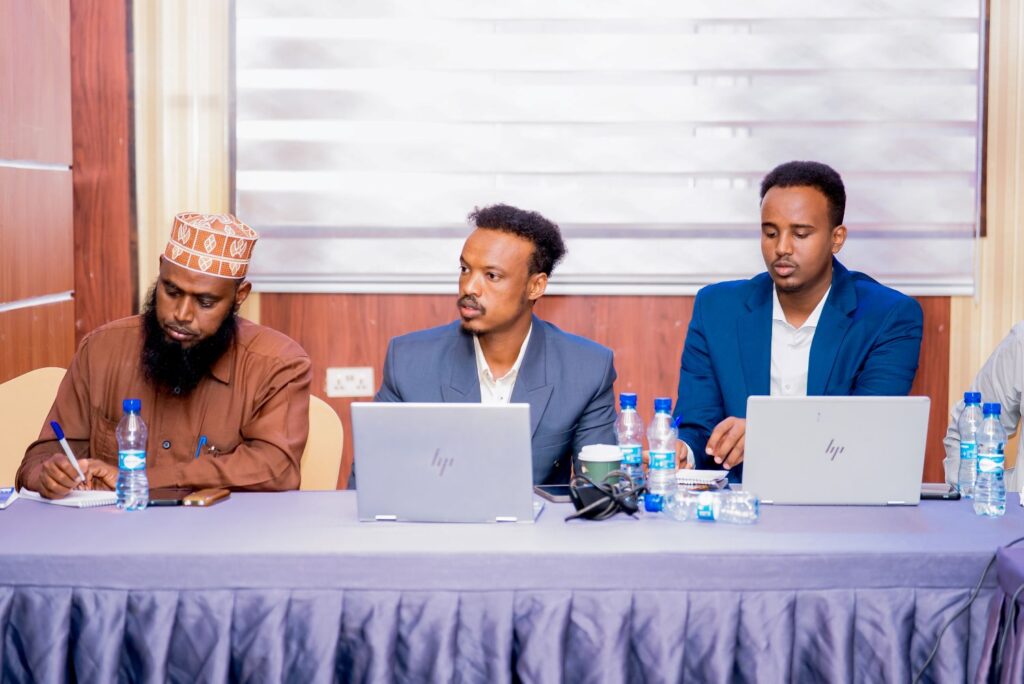
Training topics included the role of open institutional repositories in scholarly communication, repository structure and organisation, metadata quality, persistent identifiers and practical content management using DSpace. Participants explored how to organise communities and collections, describe research outputs consistently, and support discovery through accurate records. Institutional readiness, support for researchers and the practices needed to sustain repositories were also central to the programme.
One of the workshop’s most significant outcomes extended beyond repository management. Participants used the gathering to establish a committee to guide the process of setting up a Somali library consortium, with SomaliREN providing guidance. This represents an important first step towards a more coordinated national library community. The proposed consortium offers a basis for institutions to explore shared priorities, exchange expertise and pursue collective approaches to common challenges. Its emergence from the workshop demonstrates the wider value of bringing practitioners together: capacity-building activities can provide the relationships, discussion space and shared purpose needed to initiate lasting cooperation. In Somalia, the training became a platform both for developing individual skills and for organising collective action.
With all 16 workshops completed, attention now turns to applying the learning within institutions and advancing the project’s next phase. The Research Data Stewardship Programme, planned for 2027, will build on this foundation by preparing librarians and researchers to serve as institutional data management champions through a training-of-trainers approach. This next phase will address the research data lifecycle, including data management planning, collection, curation, documentation, publication and preservation. It aims to help institutions make the underlying data from African research available for responsible reuse, alongside the publications and other outputs supported through institutional repositories.
Continued engagement through the OPAR Community of Practice, learning resources and the OPAR Open Science Webinar Series will support practitioners as they apply their skills. The wider project also includes shared repository services through NRENs and the development of the Open Pan-African Repository (OPAR) to improve discovery across institutional collections.
For Somalia, the workshop leaves two connected foundations: librarians equipped to strengthen the visibility of their institutions’ research, and a committee taking forward the ambition of a national library consortium. For UbuntuNet Alliance and its partners, it marks the completion of a major regional training commitment—and the beginning of the next stage of turning skills, infrastructure and collaboration into lasting improvements in access to African knowledge.