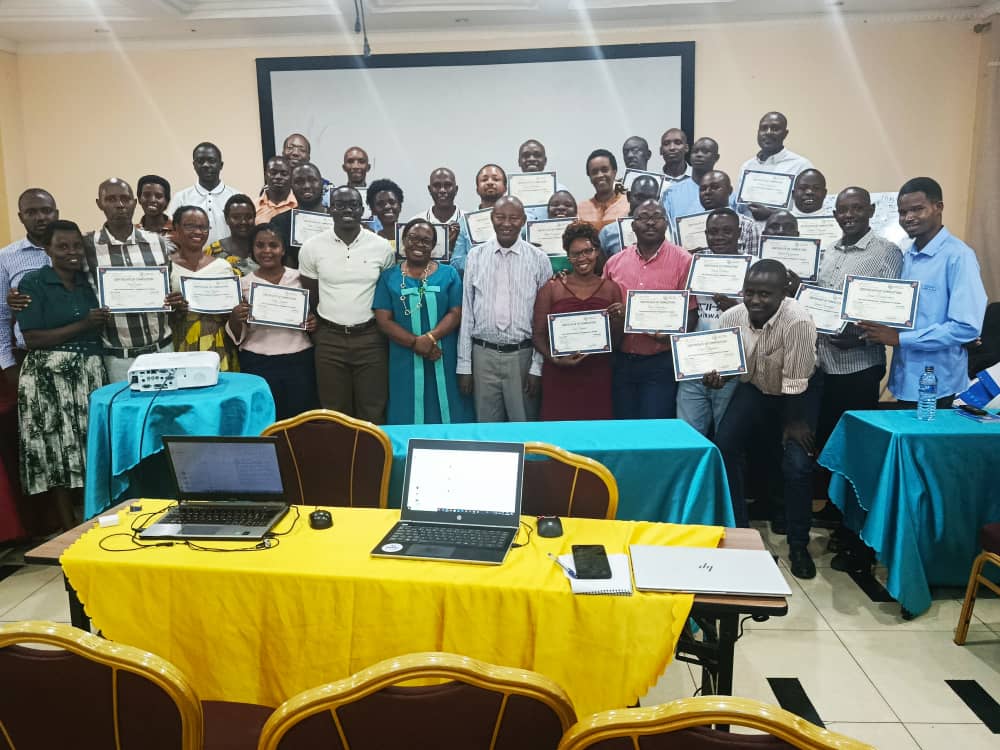
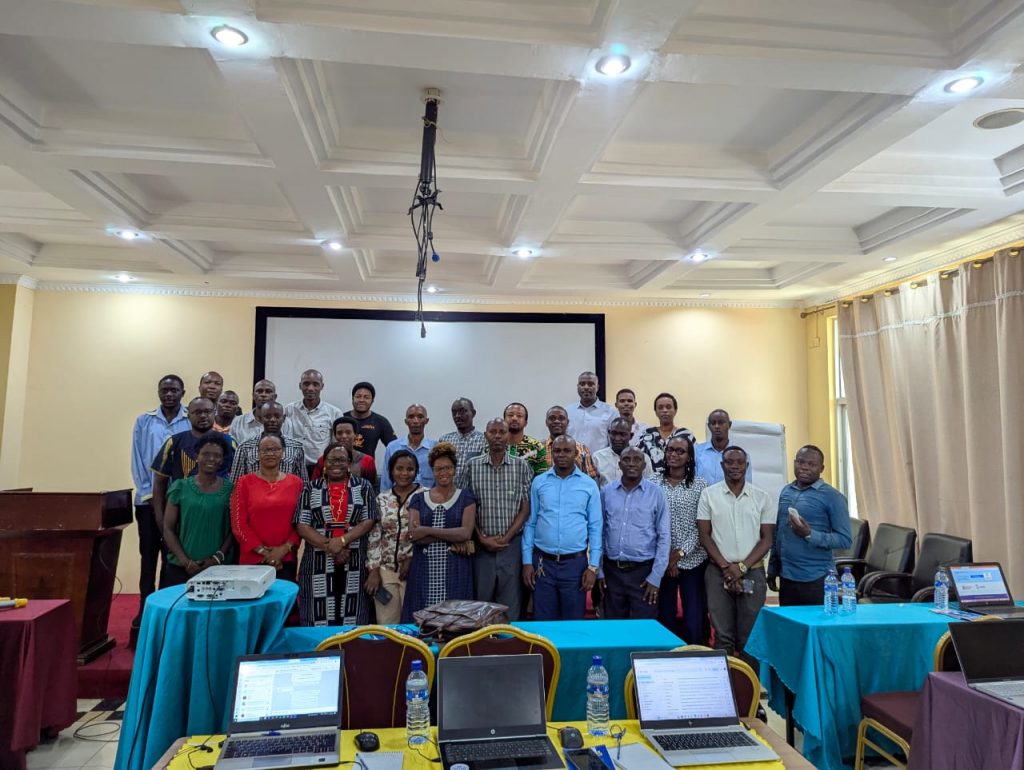
UbuntuNet Alliance has conducted the eighth Librarian Capacity-Building Workshop on Modern Repository Management and Metadata Curation under the project “Unlocking Potential: Elevating Open Institutional Repositories in Africa for Global Impact”, supported by Invest in Open Infrastructure (IOI). The workshop took place in Burundi from 17–19 August 2026 and forms part of the wider series of 16 planned in-country trainings across the region.
The Burundi workshop was hosted by the Burundi Research and Education Network (BERNET), the National Research and Education Network serving Burundi’s research and education community. BERNET’s role as host reflects the central place of NRENs in this project, particularly in convening institutions, supporting national coordination, and helping ensure that capacity building is delivered close to the communities that will own and sustain Open Institutional Repositories.
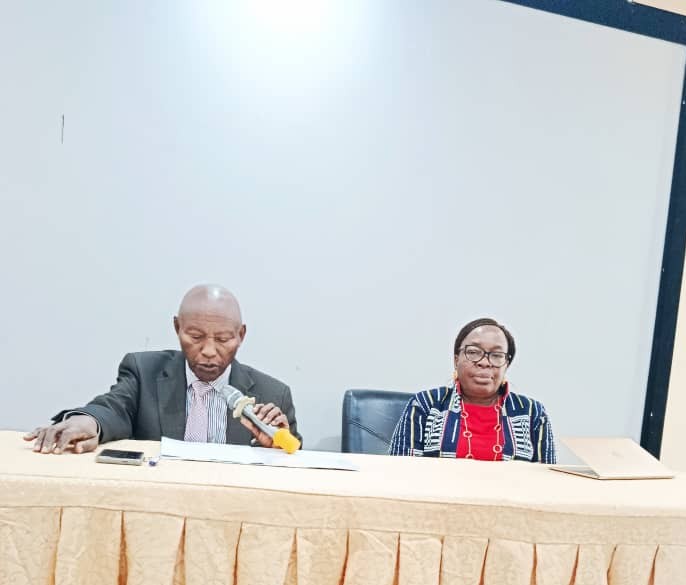
“In the Burundian context, this initiative takes on even greater importance. Our country needs scientific research capable of responding to its development challenges. But for research to truly contribute to development, it must be known, accessible, and used. The (open) institutional repository can therefore help bring the university closer to society, strengthen collaboration between researchers and institutions, and give greater visibility to the knowledge produced in Burundi.”
— Prof. Gregoire Njejimana, CEO, BERNET
The workshop is especially significant because it is the second training in the series to be delivered in French. This reflects UbuntuNet Alliance’s commitment to ensuring that capacity building reaches the full diversity of its community. In a region where institutions operate across different languages, delivering the training in French is not only a matter of access, but also of inclusion, participation, and ownership.
Facilitated by Dr OUATTARA-COULIBALY Cécile, the workshop is equipping librarians with practical and strategic skills for supporting Open Institutional Repositories within their institutions. Participants are engaging with key areas such as repository management, metadata quality, discoverability, DSpace workflows, institutional readiness, governance, policy, access, rights, and responsible stewardship of research outputs.
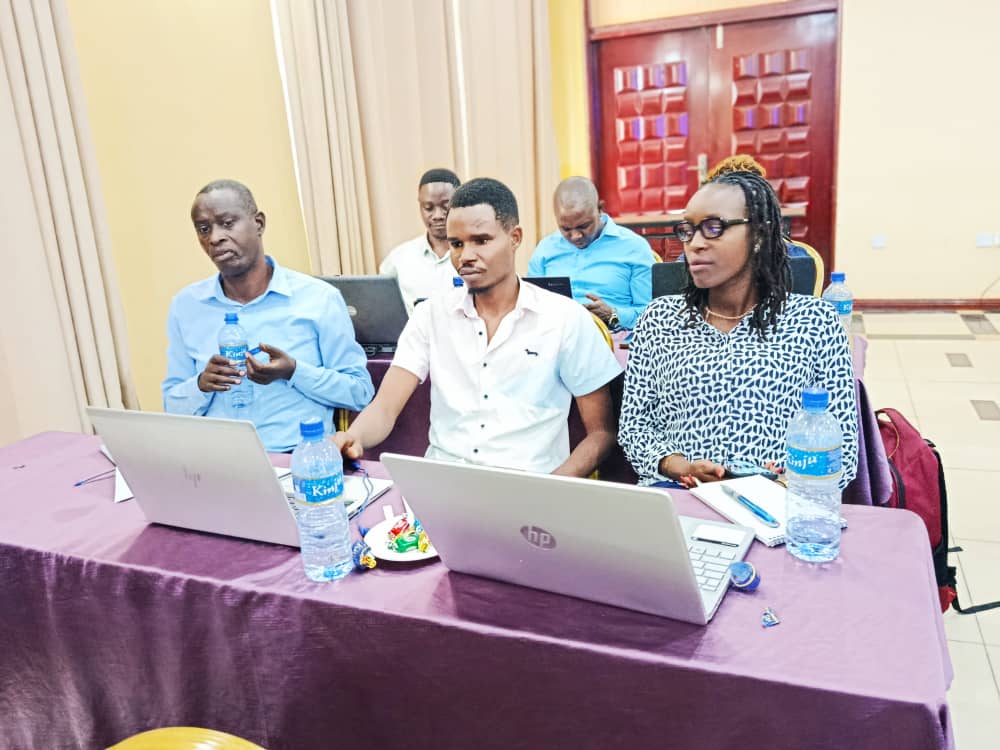
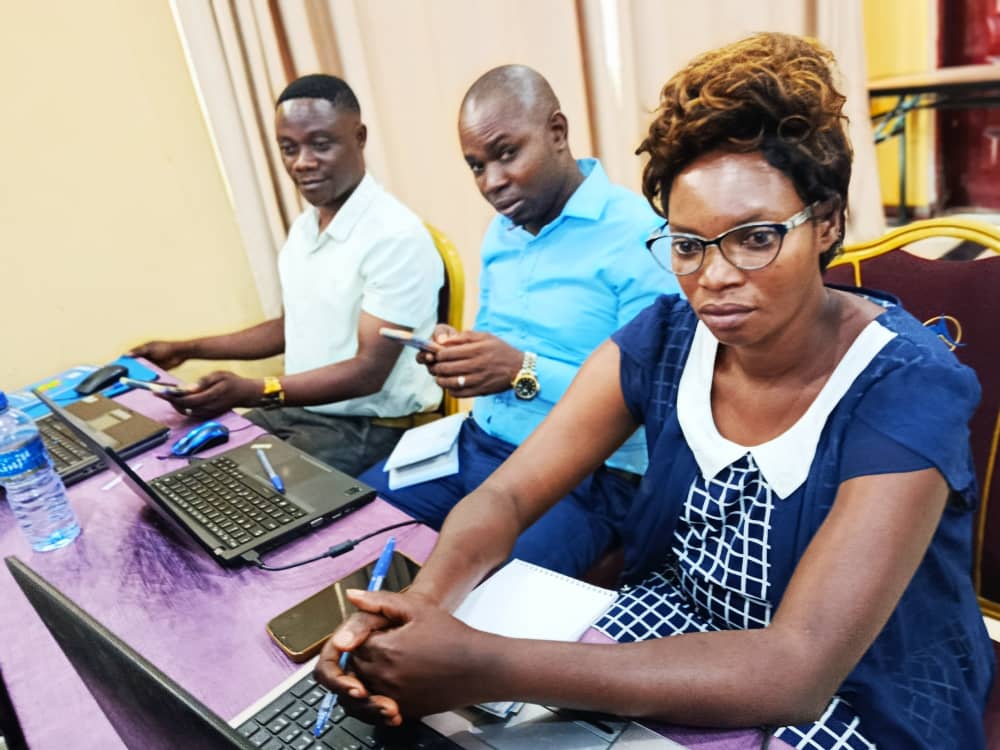
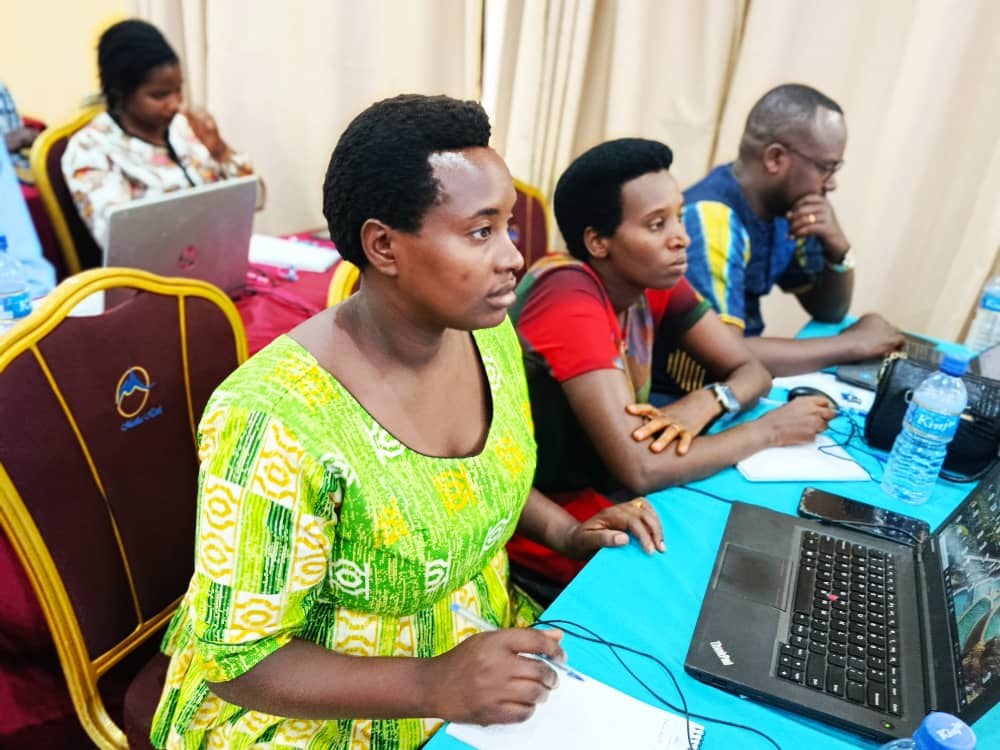
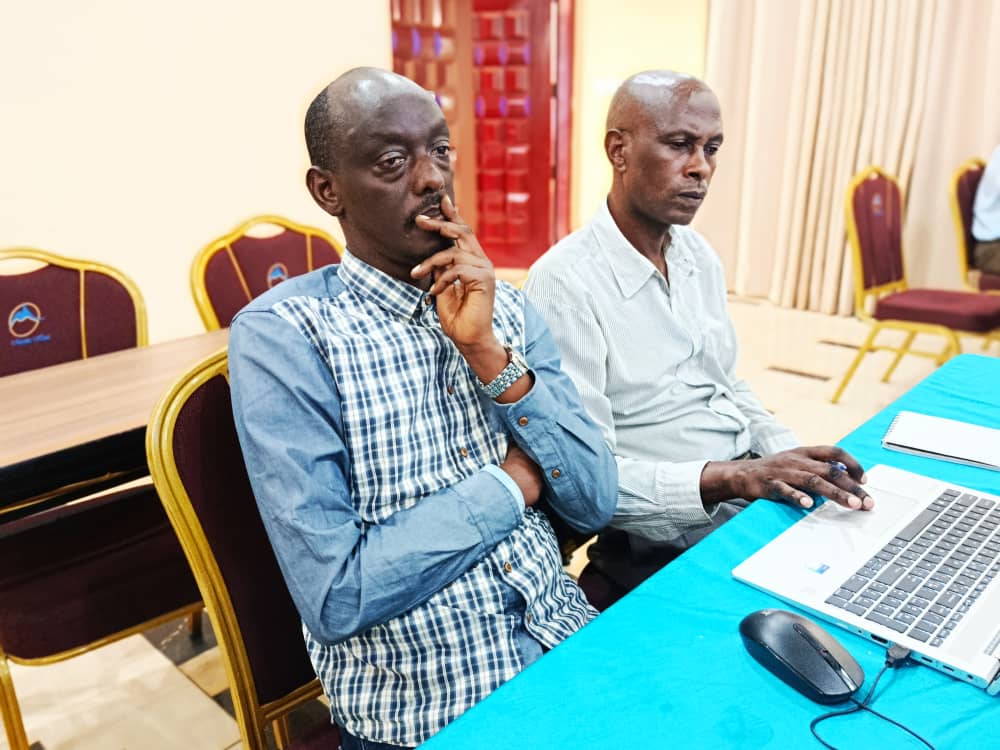
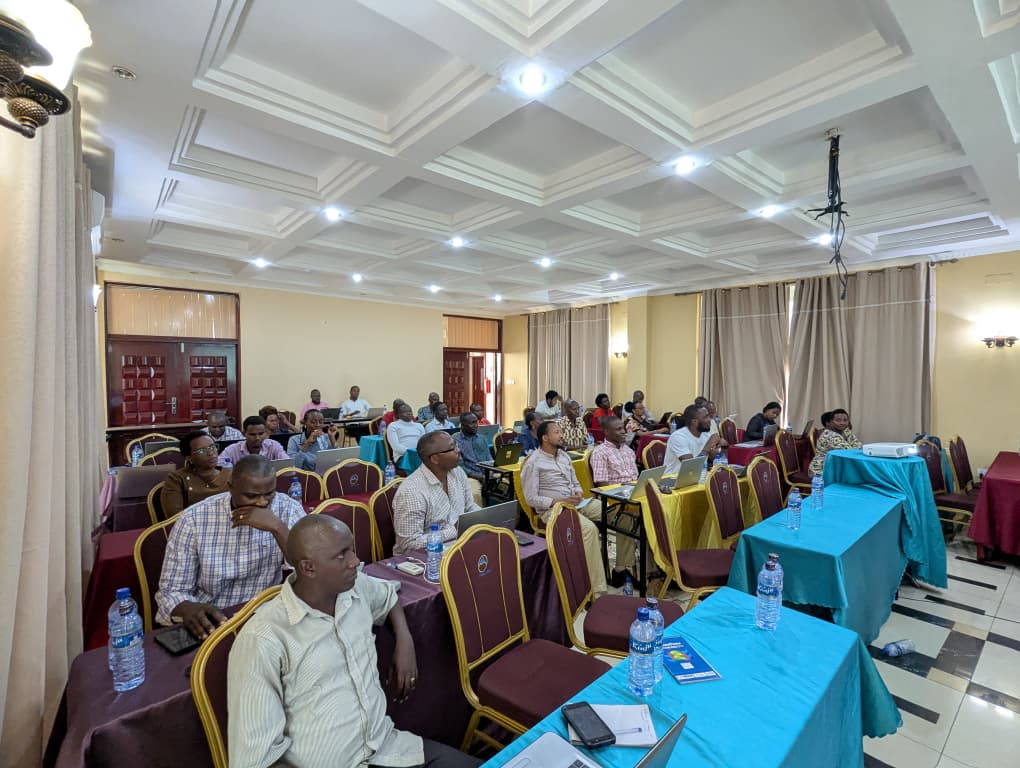
The training also reinforces the important role of librarians as repository stewards. Beyond managing records or supporting deposits, librarians are being positioned as institutional champions who can advocate for repository adoption, improve metadata practices, support researchers, and help ensure that institutional research outputs are visible, accessible, and connected to wider discovery systems.
This workshop is part of the broader project goal of strengthening Open Institutional Repositories across Africa so that African research can be more visible, accessible, interoperable, and globally impactful. Each training contributes to building the human capacity needed to support this goal, while also growing a community of practice around repository management and open research infrastructure.
As the eighth workshop in the series and the second delivered in French, the Burundi training marks another important step in the project’s ongoing implementation. It demonstrates that building open research infrastructure is not only about platforms and systems, but also about people, language, inclusion, and long-term institutional capacity.