
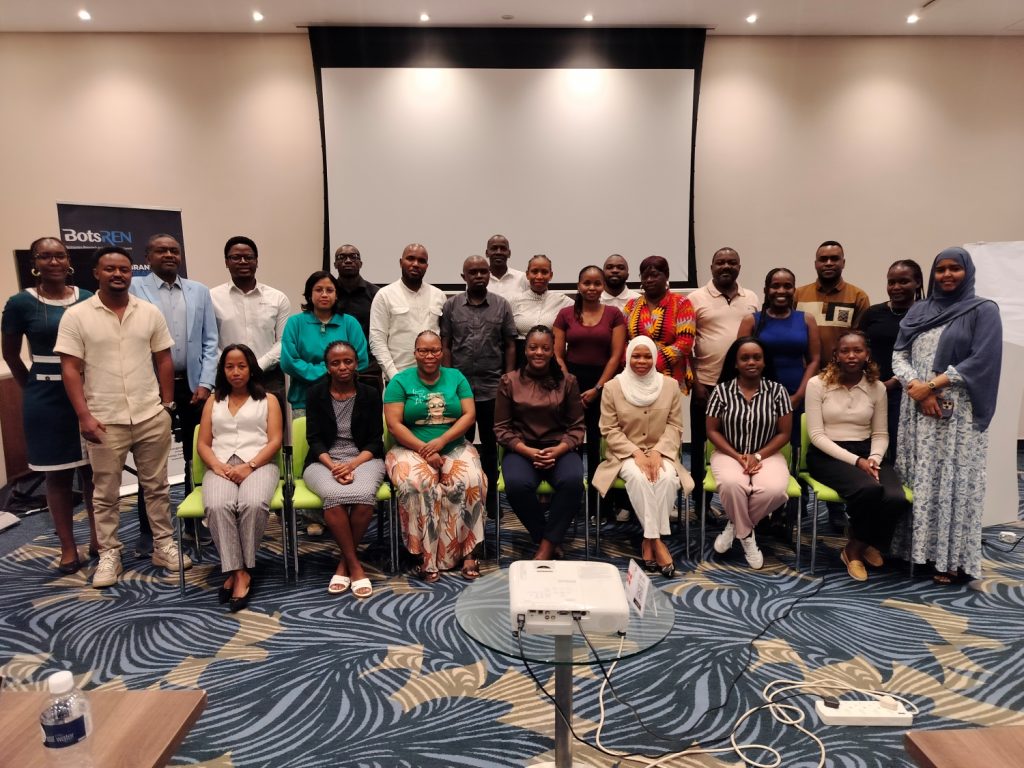
UbuntuNet Alliance convened a regional Business Development and Communications Workshop in Gaborone, Botswana, from 21 to 25 September 2026, hosted by BotsREN. Organised under AfricaConnect4, co-funded by the European Union, the five-day workshop aimed to strengthen the capacity of UbuntuNet Alliance member National Research and Education Networks (NRENs) to define, communicate and grow the value of their connectivity and services. Harold Bowa, Business Development and Communications Officer at UbuntuNet Alliance, facilitated sessions on strategic communications, stakeholder engagement and partnership development.
The workshop brought together 24 participants from 13 out of the 16 UbuntuNet Alliance member NRENs: BotsREN, EthERNet, iRENALA, KENET, LesREN, MAREN, MoRENet, RENU, RwEdNet, SomaliREN, TERNET, ZAMREN and ZIMREN. Twelve participants were women, representing half of the group. Participants included communications practitioners, marketing and business development professionals, chief executive officers, and staff working in administration and finance. This diversity brought different organisational perspectives into the discussions and reinforced the shared responsibility for communicating NREN value and strengthening relationships with members.
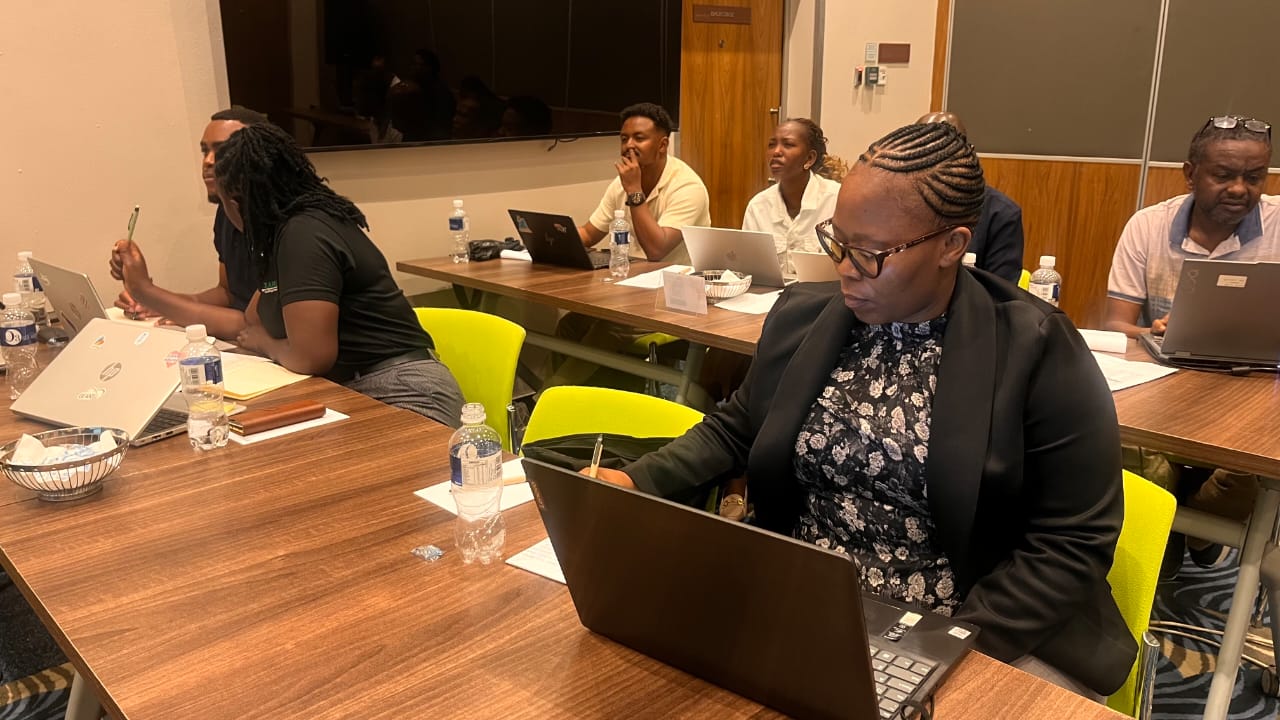
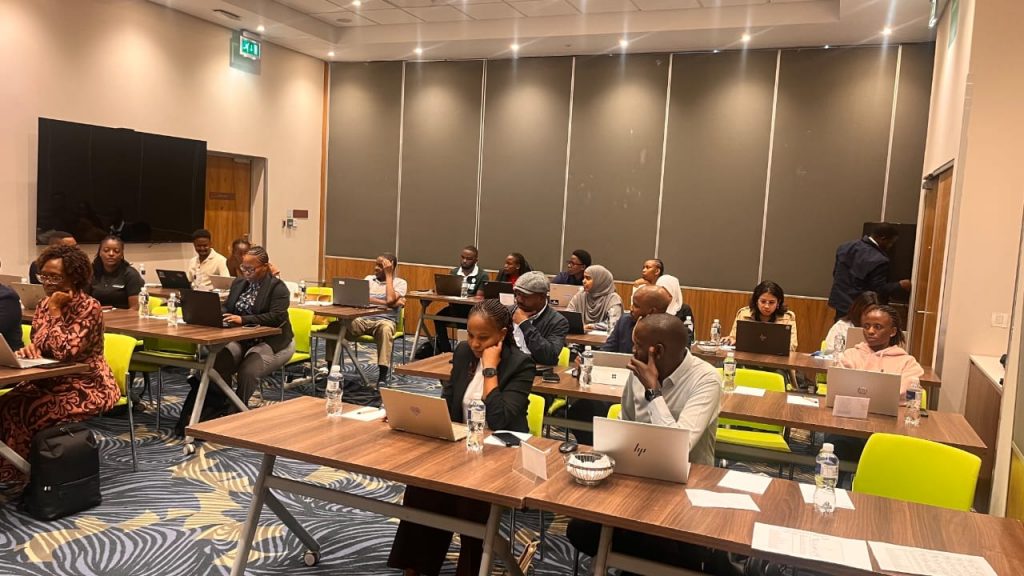
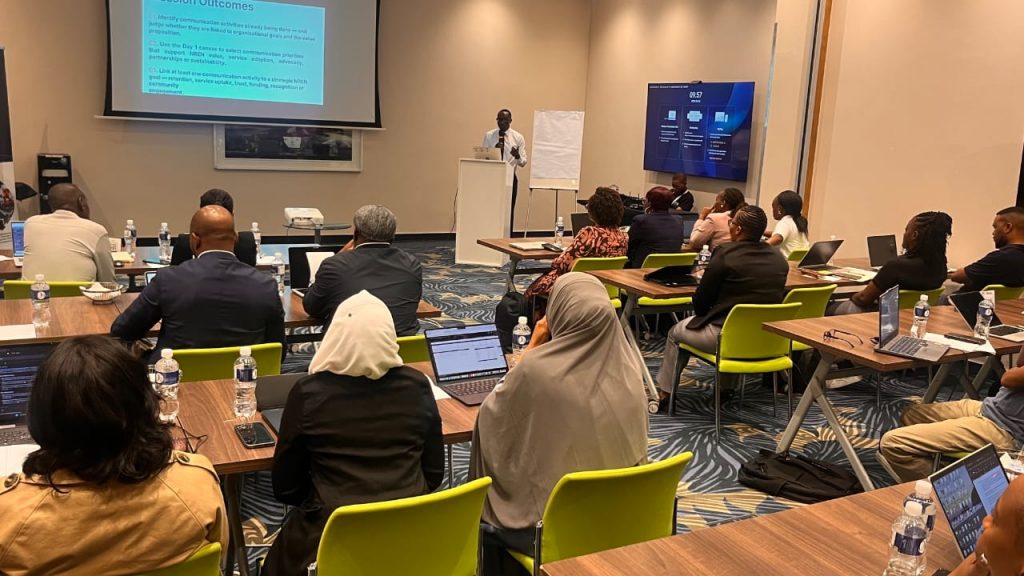
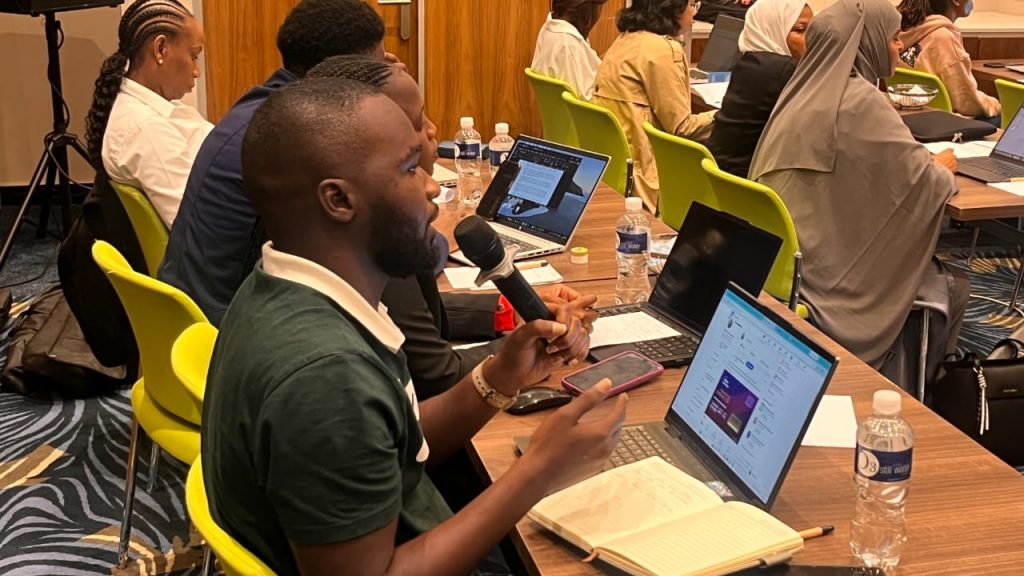
Dedicated communications and marketing expertise remains limited across many African NRENs, with these responsibilities often undertaken by staff whose primary roles and professional backgrounds lie elsewhere. The workshop responded to this capacity gap by strengthening the skills of existing practitioners while providing practical guidance for colleagues covering these functions alongside other duties. It also underscored the importance of investing in communications and business development as core organisational functions that support visibility, service adoption, member engagement and long-term sustainability.
Making NREN value understood, evidenced and acted upon was at the heart of the workshop content. Sessions on value-based strategic communications explored how to connect communication objectives to organisational priorities, identify audiences and develop messages that speak to their needs. Impact storytelling and evidence-based communication focused on moving beyond reports of activities to explain the difference NREN services make for institutions, researchers and learners. Participants also explored how artificial intelligence can support communications work through clearer prompts, content development and adaptation, while retaining human judgement and checking the accuracy of outputs.
Events were examined as opportunities to strengthen the relationship between NRENs and the communities they serve. Discussions considered why membership organisations bring stakeholders together, what value each group should gain and how participants can contribute meaningfully. Content covered the planning and delivery of annual events, including workplans, budgets, programme development, participant engagement, sponsorship and reporting. Webinar series and other recurring activities were also explored as practical ways to sustain engagement throughout the year, with emphasis on follow-up, feedback and continued community participation.
The workshop also connected channel selection to coordinated communication and partnership development. Participants considered the complementary roles of websites, email newsletters, mailing lists, social media and messaging platforms in reaching different audiences. Practical exercises used an event scenario to develop audience-specific messages, promotional calendars and approaches to live coverage and post-event engagement, including sharing recordings and presentation materials. Building on this, sessions explored how structured, year-round partnership programmes can offer clear value to service providers, create sustained opportunities for collaboration and support NREN objectives beyond individual events.
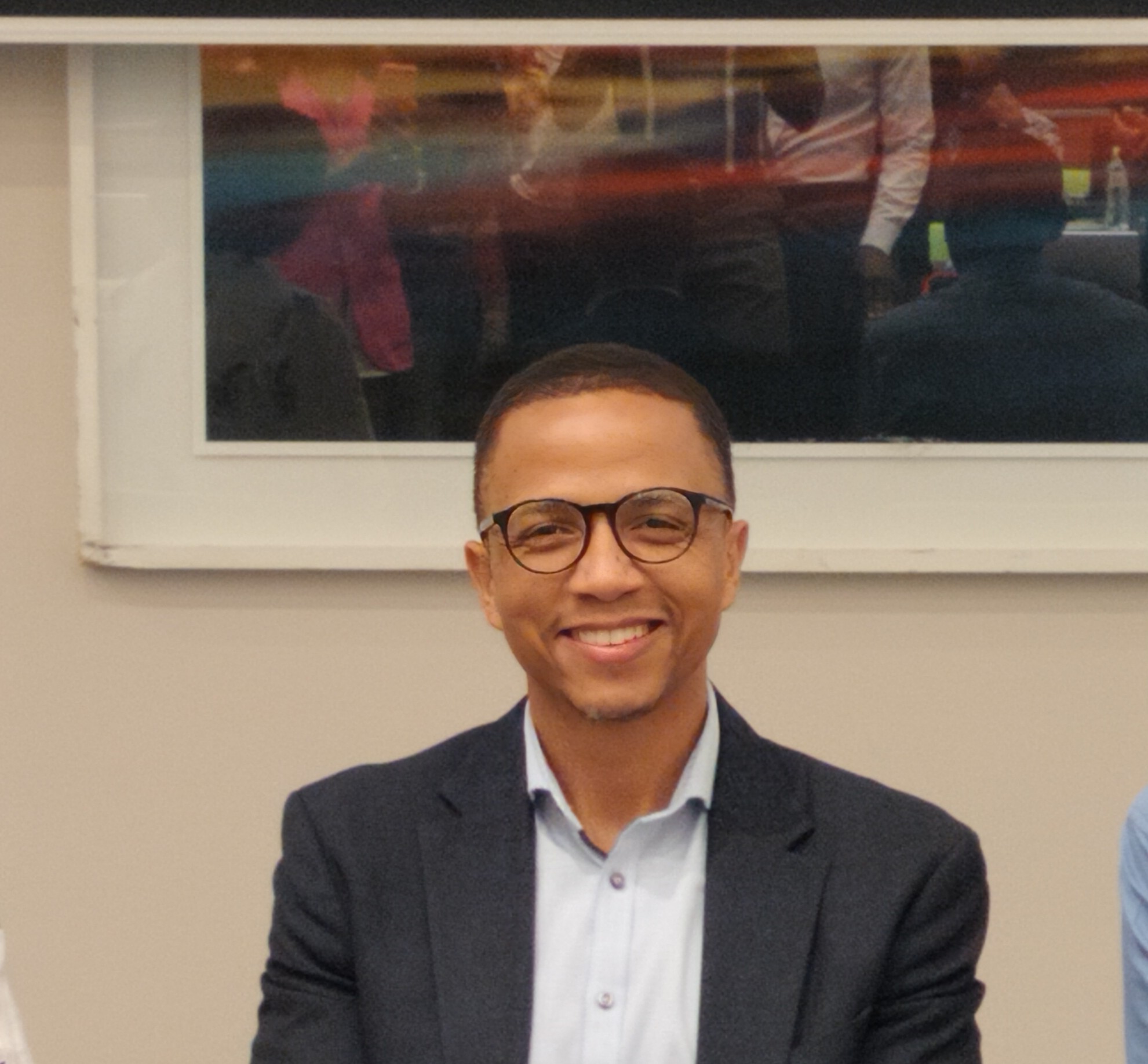
BotsREN CEO, Mr. Tshepo Tsheko, shared the high level journey of the NREN. Remarking on the various opportunities, challenges and support that was required for BotsREN to now stand on its own two feet. He emphasized the key role of government support, understanding the NREN value proposition and leveraging it to remain relevant amidst growing presence of commercial ISPs. This served as a learning point for other emerging NRENs in the audience.
Regional training under AfricaConnect4 provides an important space for NRENs to build practical skills, exchange experiences and learn from colleagues facing similar challenges. By bringing together staff across professional functions and national contexts, the workshop supported a broader understanding of how communications, business development and community engagement contribute to stronger institutions. Continued investment in these capabilities will help NRENs translate connectivity and services into greater participation, clearer evidence of impact and lasting value for Africa’s research and education communities.
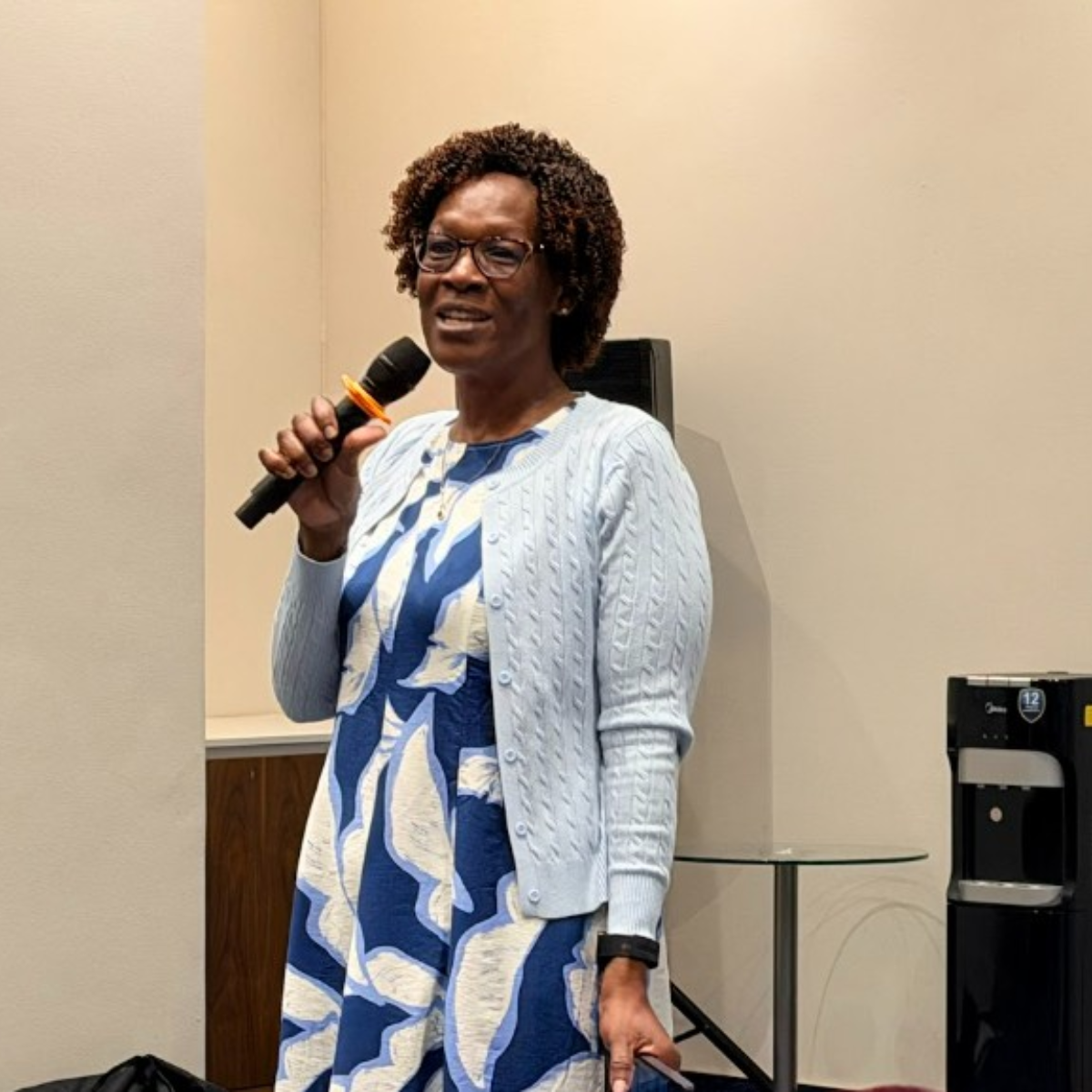
In her closing remarks, the ZIMREN CEO and UbuntuNet Alliance board member, Mrs Miriam Chahuruva stressed the importance of participants sharing their expertise amongst each other. She stressed that participant leverage the community that such a platform has created for them, to learn from each other and share best practices.