

Theme: Shaping Digital Horizons
October 29-30, Lilongwe, Malawi

UbuntuNet Alliance promotes research and education networking in East and Southern Africa. Shaping Digital Horizons reflects UbuntuNet Alliance’s vision of advancing resilient, inclusive, and sustainable digital infrastructure that underpins research, education, and innovation across Eastern and Southern Africa. The theme recognises that connectivity is a foundation for future-ready research ecosystems, intelligent services, and cross-border collaboration. UbuntuNet-Connect 2026 will explore how National Research and Education Networks (NRENs), partners, and policymakers can collectively shape digital futures that are secure, open, innovative, and responsive to regional priorities. Keynote presentations, panel discussions, and paper presentations that address topics and anchor discussions on the conference theme are invited.
Sub-Themes
Research & Education Network Infrastructure: Focuses on the design, deployment, and evolution of high-performance research and education network infrastructure that enables advanced research collaboration, learning, and regional connectivity. It explores how NRENs can build resilient, scalable, and future-ready networks that support growing data demands and emerging digital services. Papers are invited on: design and deployment of backbone, campus, and last-mile network infrastructure; network resilience, and continuity strategies for RENs; network automation, SDN/NFV, and advanced network management approaches; regional and global interconnection, peering, and Internet exchange ecosystems; network-enabled services supporting research and education
Cybersecurity: Addresses the growing need to protect research and education infrastructure from cyber threats while ensuring trusted digital environments for collaboration, data exchange, and learning. Papers are invited on: Cybersecurity architectures and protection strategies for research and education networks; threat detection, monitoring, and incident response frameworks; security operations centres and collaborative threat intelligence for NRENs; identity, access management, and trust frameworks for digital research and education services; and governance, policies, and capacity building for cybersecurity in NREN member institutions.
Artificial Intelligence: Explores how artificial intelligence is transforming research, education, and the management of digital infrastructure. It focuses on both the infrastructure required to support AI and the application of AI in research, education, and network operations. Papers are invited on: AI infrastructure; AI applications supporting research, scientific discovery, and innovation; AI-driven digital learning tools and intelligent educational platforms; AI-enabled network management, optimisation, and automation; infrastructure requirements for AI workloads, including data platforms and high-performance computing; national and regional strategies for AI development in research and education.
Open Science: This sub-theme focuses on enabling open, collaborative, and reproducible research through digital infrastructure, shared platforms, and open knowledge systems that expand access to research outputs across the region. Papers are invited on: Open Science platforms, repositories, and data management systems that support research and education; implementation of FAIR data principles and open research practices; persistent identifiers, scholarly communication, and digital publishing infrastructures; integration of libraries, data services, and research infrastructures; and national and regional initiatives supporting Open Science ecosystems.
Innovation, Partnerships & Service Evolution: Explores how NRENs are evolving from connectivity providers into platforms for innovation, collaboration, and advanced digital services for research and education communities. Papers are invited on: Emerging services, including cloud, identity federation, and collaboration platforms; strategic partnerships between NRENs, universities, industry, and governments; innovation ecosystems, testbeds, and digital experimentation platforms; case studies of new service models supporting research and education institutions; and collaborative initiatives driving regional digital transformation.
Diversity, Equity & Gender Inclusion: Highlights efforts to promote diversity, equity, and inclusion within the research and education ecosystem, with particular emphasis on increasing women’s participation and leadership in technology fields. Papers are invited on: strategies to increase women’s participation and leadership in NRENs and digital infrastructure; gender-responsive digital skills and capacity development programmes; policies and institutional approaches promoting equity and inclusion in technology sectors; initiatives supporting women and underrepresented groups in STEM and digital research; and case studies demonstrating the impact of diversity and inclusion initiatives.
Who Should Attend/Why should you attend?
- NREN Community: This is an opportunity to listen to the customer’s voice and learn where NREN services can serve as a catalyst and anchor for the redesigned digital college and university.
- Researchers, academics, and students – Share how you use digital technologies and the UbuntuNet Alliance/NREN research and education network to support your research, teaching and learning in future directions. Provides opportunities to learn and form new collaborations across the continent.
- College and University ICT Directors (or equivalent) and Librarians – Opportunity to present on the extent of digitalisation in your institution, learn from others, gather information and hold discussions on challenges faced, potential digital solutions, and opportunities for collaboration.
- Government officers (related to ICT and Education): Learn about your government’s current and future policies, actions, and plans to stimulate the redesign of digitalised African universities. This will allow you to learn from what is happening in other countries.
- Private Sector/Industry – Present case studies on emerging digital technologies supporting the digitalised African University. You have the opportunity to learn about and discuss the challenges universities face, present solutions, and seek potential business opportunities.
Timelines
- March 16 – Call for abstracts opens.
- June 1 – Early bird registration opens
- June 29 – Deadline to submit paper abstracts
- August 31 – Early bird registration closes
- September 1 – Regular registration opens
- September 30 – Regular registration closes
- October 29-30, UbuntuNet-Connect 2026.
Sponsorship
UbuntuNet Connect 2025 presents a rare opportunity for companies and organisations with a national, regional or global footprint to meet Africa’s research and education networking community and market their products and services.
Reasons to Sponsor
- Thought Leadership – Position your products, services, and executives as key players in the research and education community.
- Networking – Gain face-to-face access and direct contact with typically hard-to-reach decision-makers and the education community.
- Branding – The sponsorship will give your company or organisation the visibility it needs in the African research and education community.
Organising Committee
UbuntuNet Alliance
Harold Bowa
Mable Swart
Beatrice Ng’ambi
Aubrey Kondowe
Shadreck Kalitera
Wilson Wasswa
Revelation Nyirongo
MAREN
Ulemu Maseko
Mwayi Chatsika
Wiseman Kapondo
Trot Makasu
Rexa Mphuwa
Olivia Mkandawire
Grace Gausi
Joyce Mtawali
Jewel Msofi
Grace Dzoole
Conference Venue
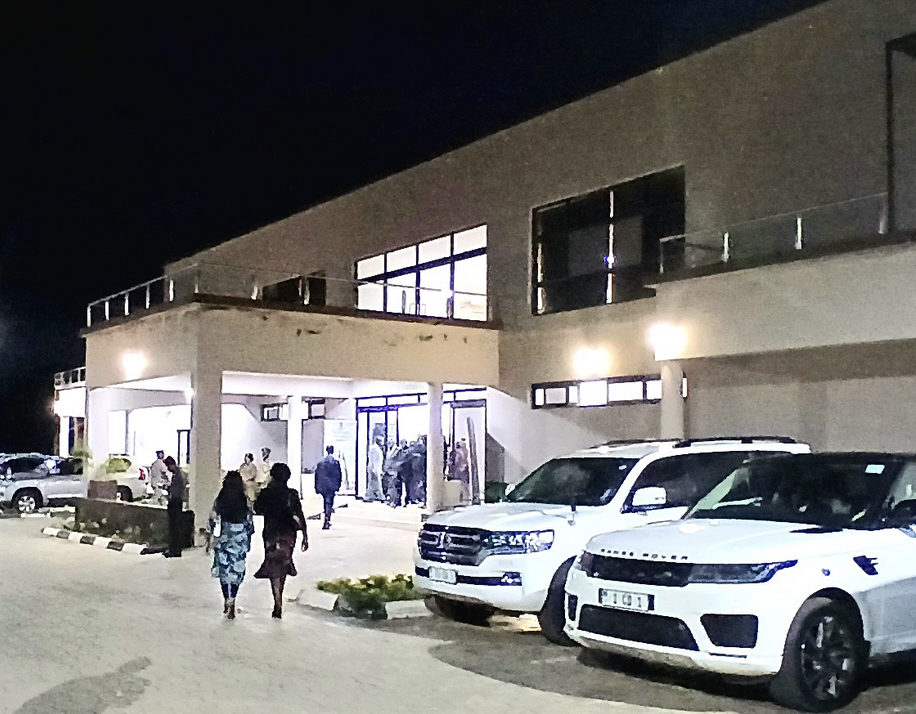
Pearl Convention Centre
The Pearl Convention Centre is a modern multi-purpose events venue located in Area 6 of Lilongwe, the capital city of Malawi. Lilongwe serves as the country’s political and administrative centre and contains numerous diplomatic missions, government offices, and commercial establishments, making it a key location for conferences, corporate meetings, and national events. The centre was developed to serve as a premium venue for conferences, social functions, and large-scale events, complementing Lilongwe’s growing role as a regional meeting and business hub.
Key Links
- More information on Travel and Tourist Activities (Official Government Website): Visit Malawi
- Visa Information: Visa applicants are advised to apply through the official government platform.
- Travel Information: Frequently asked questions.
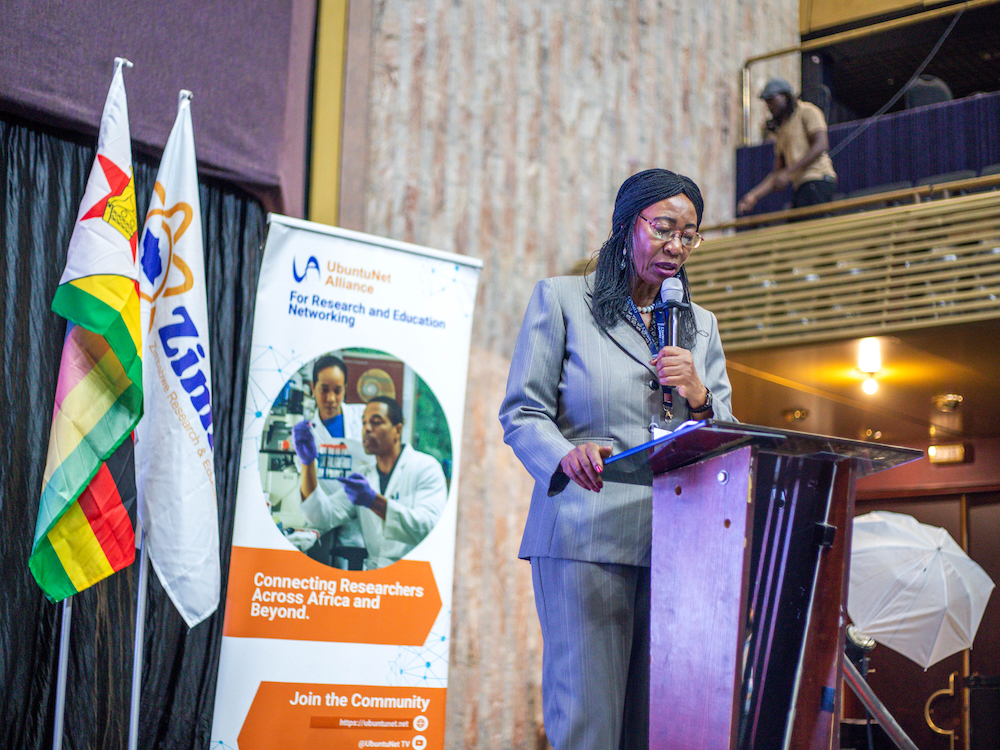
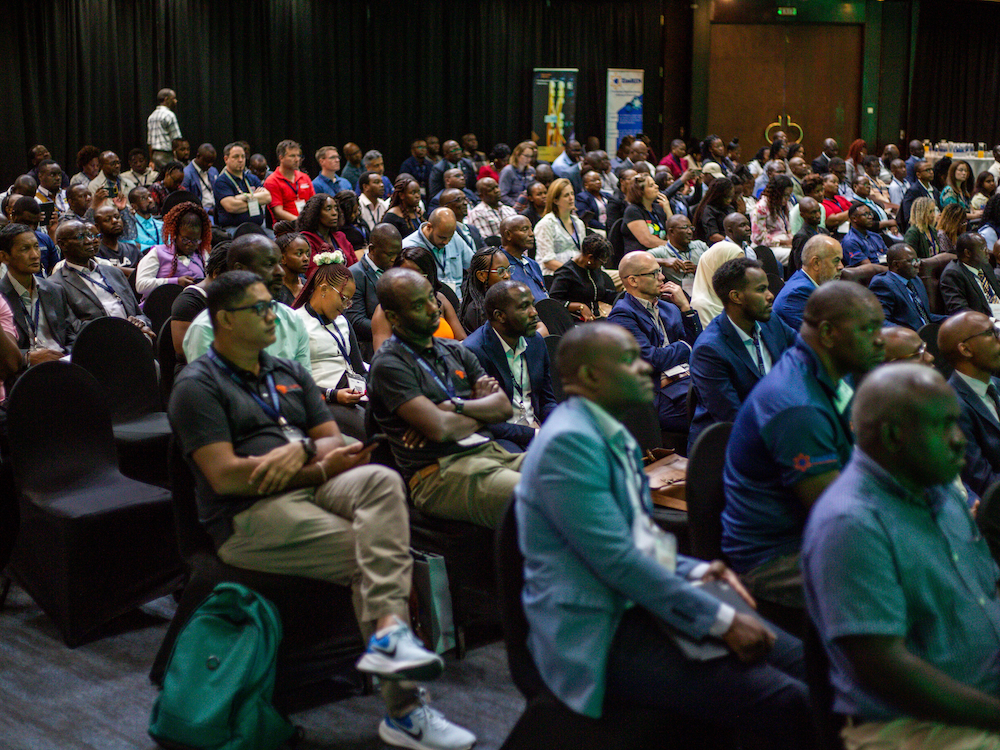
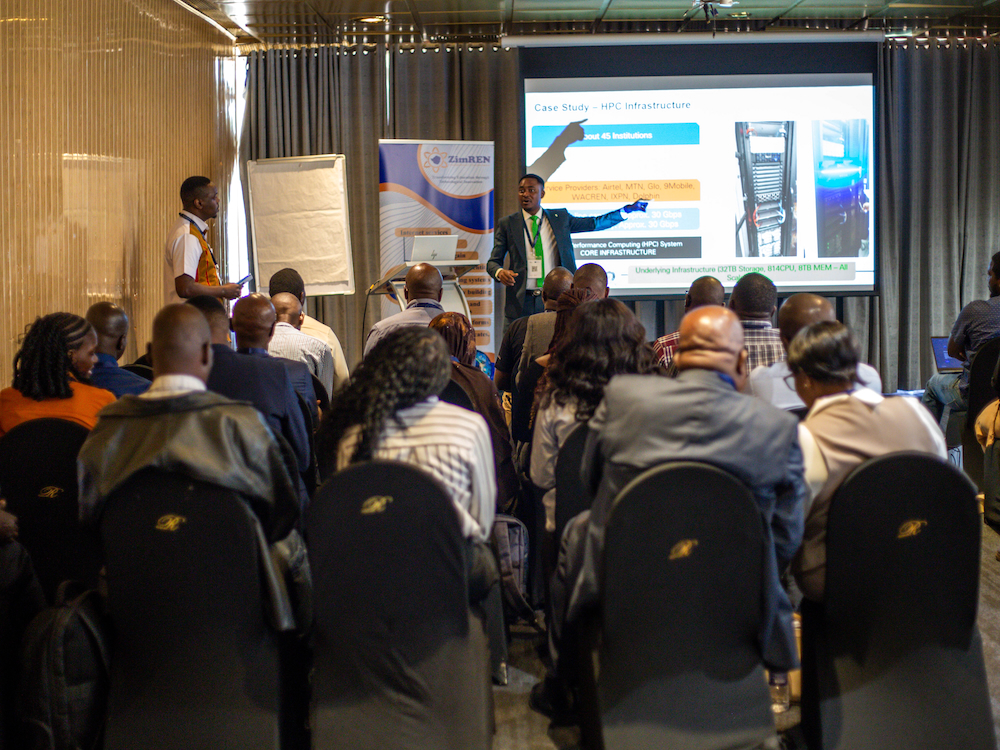
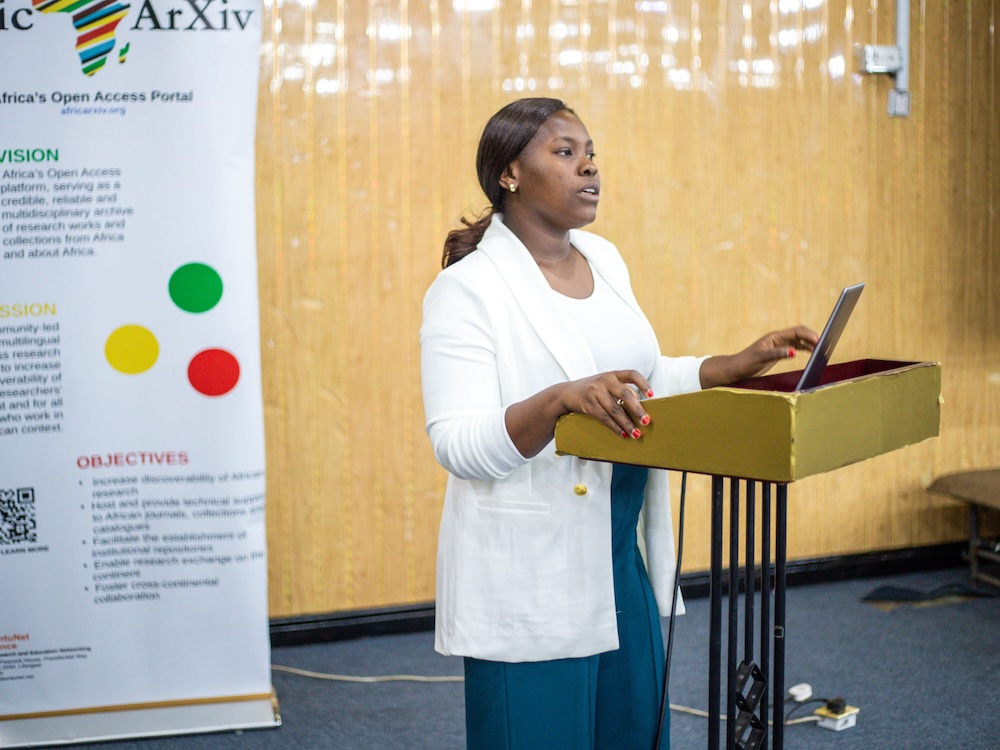
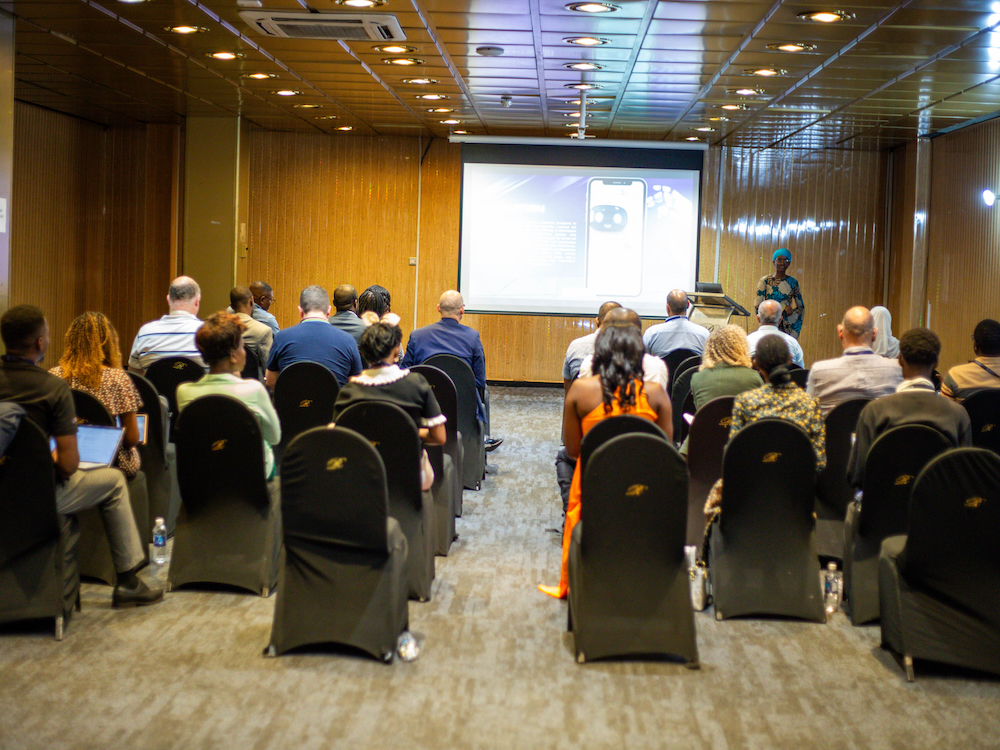
Scenes from UbuntuNet Connect 2025

Co-Funded by