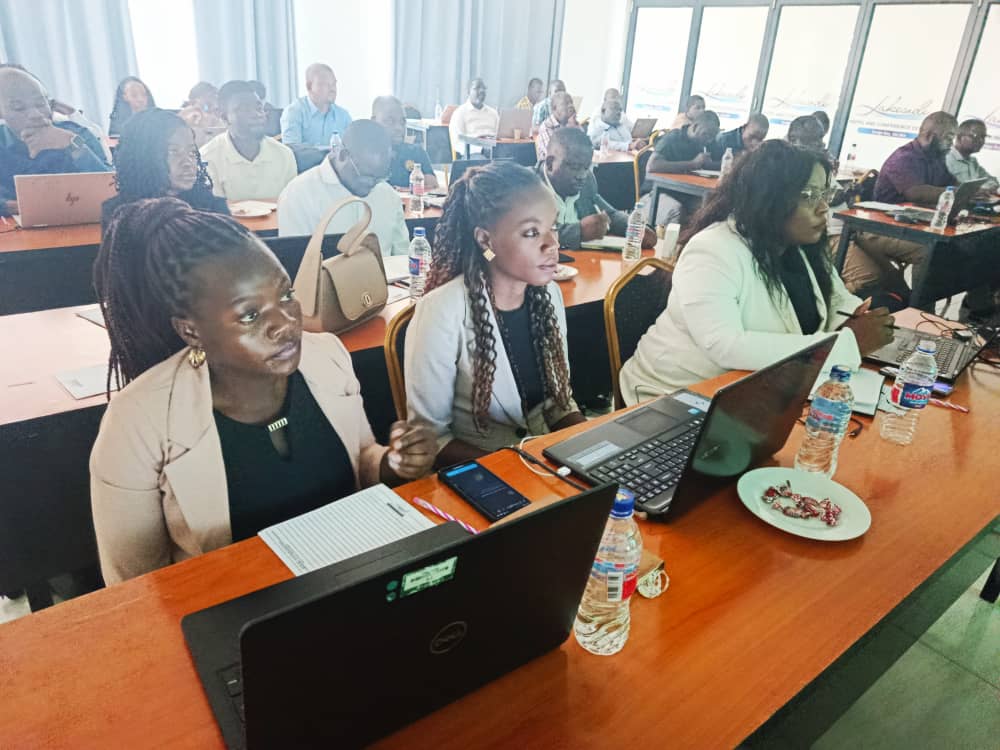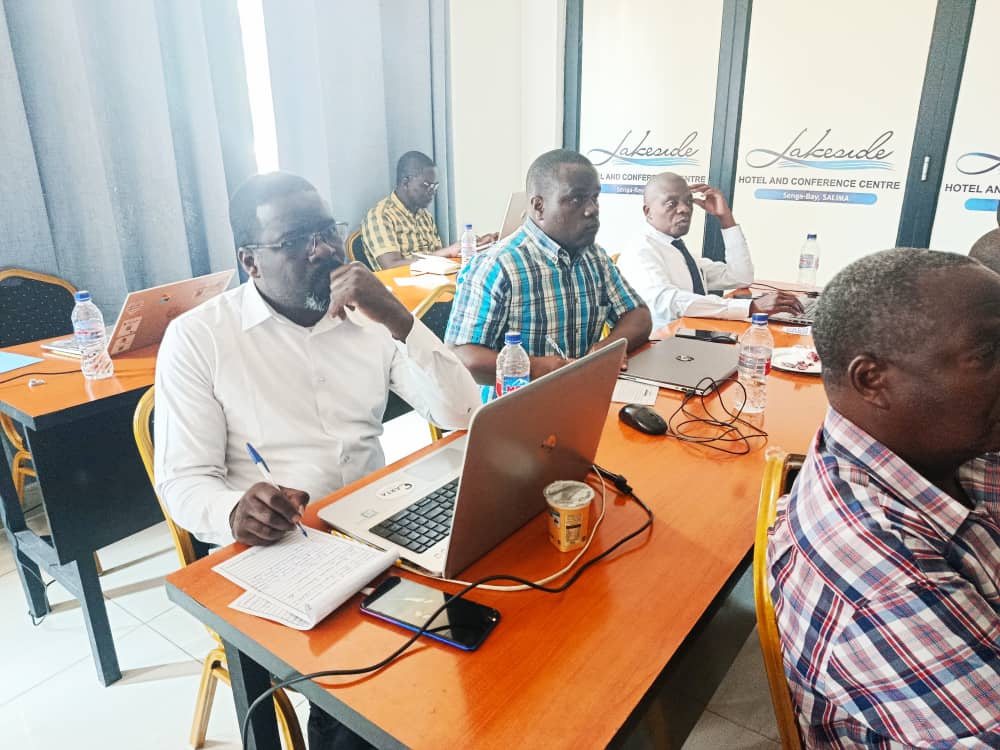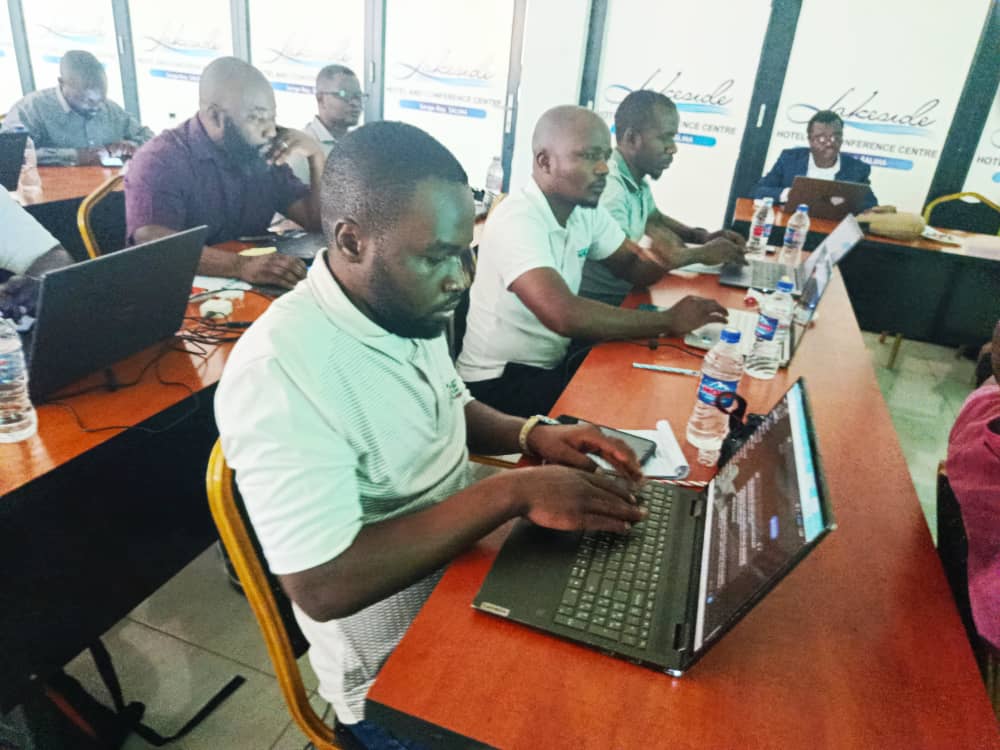
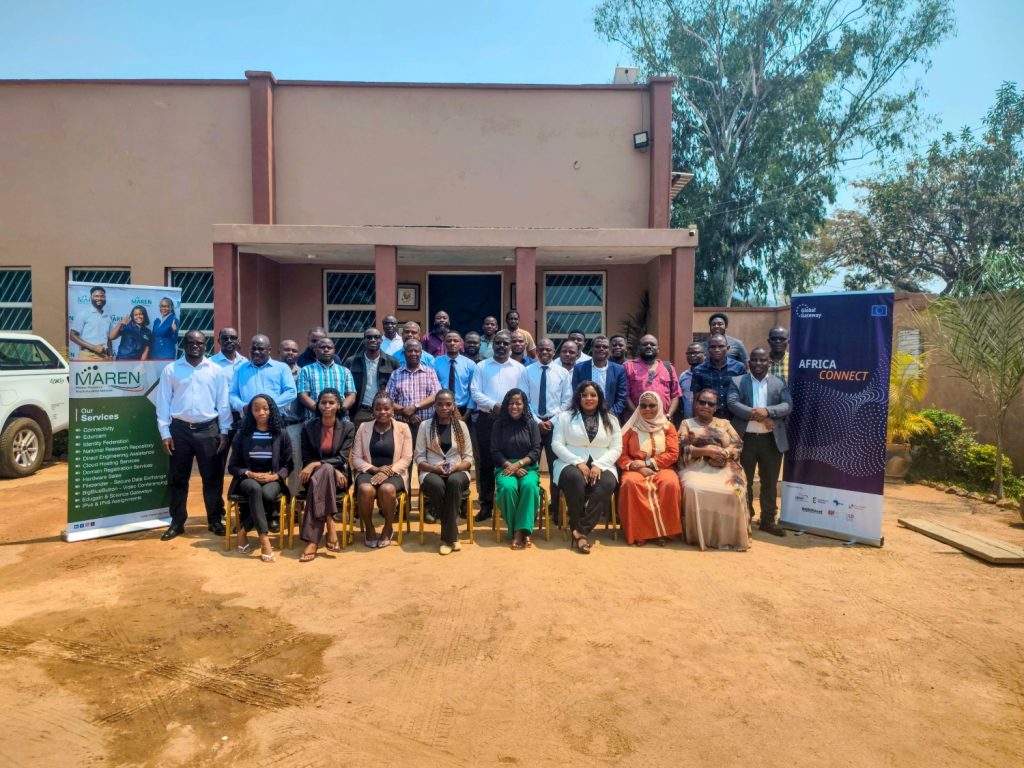
UbuntuNet Alliance, in collaboration with the Malawi Research and Education Network (MAREN), delivered a three-day Repository Stewardship Programme workshop in Salima, Malawi, from 7–9 September 2026. The training equipped librarians with practical skills to manage institutional repositories, strengthening Malawi’s contribution to a wider regional effort to make African research more accessible and discoverable. The workshop formed part of Unlocking Potential: Elevating Open Institutional Repositories in Africa for Global Impact, a three-year project led by UbuntuNet Alliance with funding from Invest in Open Infrastructure (IOI) through its Network Adoption Fund. Working through National Research and Education Networks (NRENs) across 16 countries in Eastern and Southern Africa, the project brings together shared infrastructure, professional skills and institutional support to improve how African research is preserved, shared and used.
For UbuntuNet Alliance, the Malawi training contributes to a central objective: ensuring that investment in repository infrastructure is matched by the capacity to manage its content. A functioning platform needs skilled people who can organise research outputs, describe them accurately, support researchers and maintain consistent standards over time. The Repository Stewardship Programme addresses this need through practical training for librarians. Across the region, the project targets 560 librarians, complementing technical training for 75 UbuntuNet Alliance and NREN system engineers. Together, these activities support the project’s ambition to establish or strengthen more than 400 open institutional repositories.
In Malawi, the workshop reinforced collaboration between MAREN and librarians, with complementary responsibilities for sustaining institutional repositories. MAREN will provide technical support, including configuration and authentication, while librarians manage and curate institutional research content. MAREN CEO Solomon Dindi expressed optimism that this collaboration would help institutions establish repositories and deposit research to international standards. This division of responsibilities reflects the project’s wider approach to DSpace as a managed service on NREN infrastructure. Shared hosting and specialist technical support can reduce the burden on individual institutions, enabling librarians to concentrate on content quality, researcher engagement and day-to-day repository management. The approach is designed to make repository services more affordable and sustainable while strengthening African ownership of research infrastructure.
The training also supports the project’s work to develop the Open Pan-African Repository (OPAR) as a continental metadata aggregator. By bringing together descriptions of research held in institutional repositories, OPAR aims to help users discover African scholarship across institutions and national borders. Preparing librarians to produce accurate, consistent metadata is therefore essential: the quality of institutional records directly supports the wider discoverability of research. Learning and support beyond the workshop are also built into the project through a Community of Practice, open learning resources and the OPAR Open Science Webinar Series. These activities are intended to help repository practitioners exchange experience, address challenges and continue developing their skills as services evolve.
The Malawi workshop represents an important step in connecting institutional practice with this regional ambition. As librarians apply their skills and MAREN develops its technical support, the intended result is more research preserved, more institutional knowledge made accessible, and greater opportunities for African scholarship to inform education, policy and further research.